

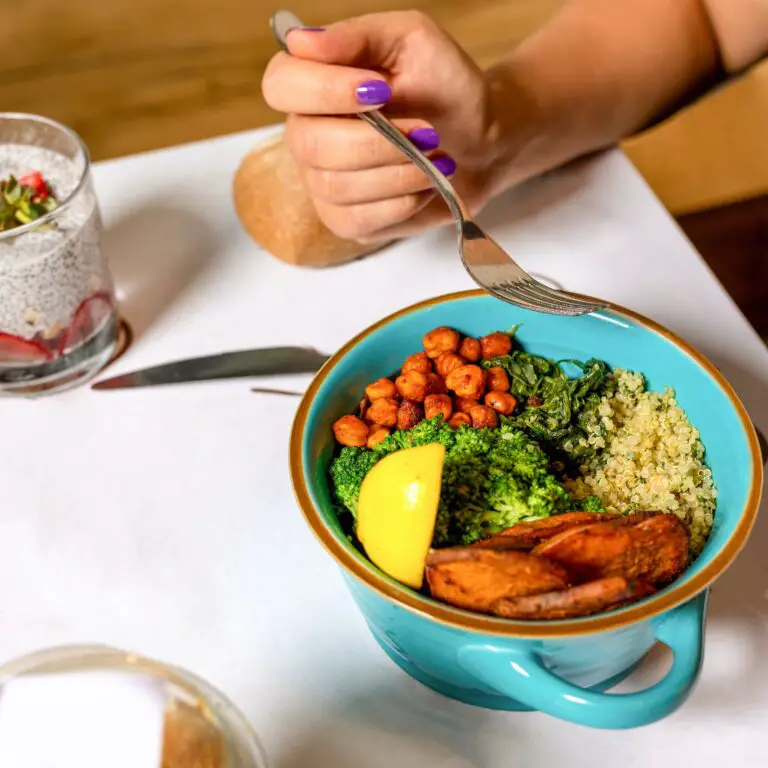
A vegan diet, centered around plant-based foods and devoid of animal products, offers a sustainable and health-conscious approach to weight loss. With a wide variety of nutrient-rich plant foods available, adopting a vegan lifestyle can support your weight loss goals while promoting overall well-being. In this article, we will explore effective strategies on how to lose weight on a vegan diet, focusing on mindful eating, balanced nutrition, and healthy habits that can lead to long-term success.
Embrace Whole Plant Foods:
A vegan diet emphasizes whole plant foods, such as fruits, vegetables, whole grains, legumes, nuts, and seeds. These foods are typically lower in calories and higher in fiber, promoting satiety and preventing overeating. Fill your plate with a colorful array of nutrient-dense plant foods to support your weight loss journey.
Prioritize Protein:
Ensure adequate protein intake on a vegan diet by incorporating protein-rich plant sources like legumes (beans, lentils, chickpeas), tofu, tempeh, seitan, quinoa, and edamame. Protein is essential for preserving lean muscle mass, promoting feelings of fullness, and supporting a healthy metabolism during weight loss.
Practice Portion Control:
While plant-based foods are generally lower in calories, portion control remains important. Be mindful of your portion sizes to avoid consuming excess calories. Focus on balanced meals that include a variety of vegetables, whole grains, and proteins, while limiting high-calorie processed vegan foods.
Mindful Eating:
Adopting mindful eating practices can help you develop a healthier relationship with food and improve weight management. Slow down, savor each bite, and pay attention to hunger and fullness cues. Mindful eating encourages better food choices, prevents overeating, and enhances enjoyment of meals.
Limit Processed Foods:
While convenient, processed vegan foods can be high in refined carbohydrates, unhealthy fats, and added sugars. Opt for whole, minimally processed foods as the foundation of your vegan diet. Focus on cooking meals from scratch using fresh ingredients to maintain control over the quality and nutritional content of your meals.
Include Healthy Fats:
Incorporate healthy fats into your vegan diet, such as avocados, nuts, seeds, and plant-based oils. Healthy fats contribute to satiety and help absorb fat-soluble vitamins. However, moderation is key, as fats are calorie-dense. Be mindful of portion sizes to maintain a calorie deficit for weight loss.
Stay Hydrated:
Proper hydration is crucial for weight loss and overall health. Water helps maintain optimal bodily functions, supports digestion, and can contribute to a feeling of fullness. Stay hydrated throughout the day and consider opting for water instead of sugary beverages or calorie-laden vegan alternatives.
Regular Physical Activity:
Combine your vegan diet with regular physical activity to maximize weight loss results. Engage in activities you enjoy, such as brisk walking, jogging, cycling, or strength training. Aim for at least 150 minutes of moderate-intensity aerobic activity or 75 minutes of vigorous-intensity activity per week, along with muscle-strengthening exercises.
Seek Professional Guidance:
If you have specific weight loss goals or health concerns, consult a registered dietitian or healthcare professional experienced in plant-based nutrition. They can provide personalized advice and guidance tailored to your needs, ensuring a safe and effective weight loss journey.
Conclusion:
Losing weight on a vegan diet is not only achievable but can also lead to long-term health benefits. Embrace a whole foods, plant-based approach, practice mindful eating, prioritize balanced nutrition, and incorporate regular physical activity. By adopting these strategies, you can embark on a sustainable weight loss journey, nourish your body with nutrient-dense plant foods, and thrive on your path to a healthier you.
