Tag

vegan diet

Browsing

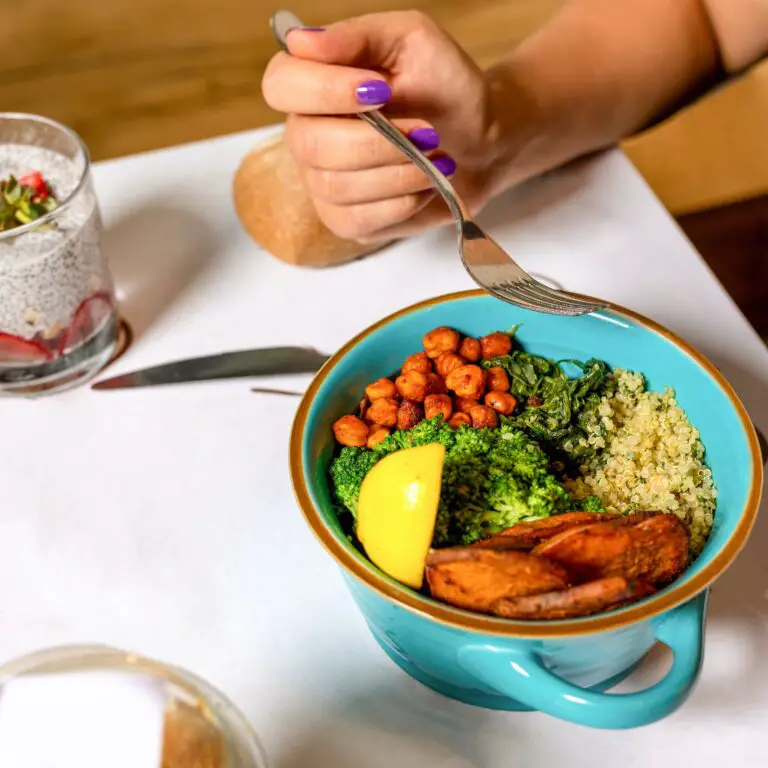
Are you curious about how a whole-food vegan diet could change your life? This isn’t just about avoiding meat and dairy; it’s about embracing a world of plant-based goodness.

Let’s take a closer look at the amazing benefits this diet can bring to your health and well-being.

Happy Heart

A whole-food vegan diet is a powerhouse for heart health. Foods like leafy greens, whole grains, and legumes are packed with nutrients that help keep your heart strong.

By cutting out meat and dairy, which can be high in cholesterol, you reduce the risk of heart disease and improve your blood pressure and cholesterol levels.

Keeping a Healthy Weight

Struggling with weight management? Plants to the rescue! High in fiber and low in calories, plant-based foods help you feel full and satisfied without overeating. This natural approach to eating often leads to sustainable weight loss and a healthier body.

Balanced Blood Sugar

Whole grains, fruits, and vegetables offer a slow, steady release of energy, which is excellent for blood sugar control. This diet can be particularly beneficial for preventing or managing type 2 diabetes, as it avoids the high-glycemic processed foods that cause blood sugar spikes.

Lots of Nutrients for a Strong Body

Each plant-based food brings its own set of nutrients to the table. Dark leafy greens are rich in iron and calcium, berries are bursting with antioxidants, and nuts are a great source of healthy fats and protein.

This diet ensures you get a diverse range of nutrients essential for a strong immune system and overall health.

Happy Tummy

A happy gut leads to a happy you! The fiber in plant foods keeps your digestive system running smoothly, reducing the risk of constipation and other digestive issues.

A diet rich in fruits, vegetables, and whole grains supports a healthy gut microbiome, which is vital for your overall health.

Good for Animals and the Planet

Beyond personal health benefits, a whole-food vegan diet is a kind choice for animals and the environment. It reduces your carbon footprint and contributes to a more sustainable future, adding an ethical dimension to your food choices.

Mental Clarity and Energy

Many who adopt a whole-food vegan diet report feeling more energetic and mentally clear. The combination of nutrient-dense foods and the absence of processed, heavy foods can lead to improved focus and vitality.

Disease Prevention

Research suggests that a plant-based diet can lower the risk of developing certain cancers thanks to the high intake of fruits, vegetables, and legumes, all rich in cancer-fighting antioxidants and phytochemicals.

Finishing Thoughts

Embarking on a whole-food vegan diet is more than a dietary change; it’s a journey towards a healthier, more ethical way of living. It’s about discovering the joy of cooking with whole, plant-based ingredients and exploring new flavors and textures.

Remember, balance is key, and it’s important to ensure you’re getting a variety of nutrients. Whether you’re looking to improve your health, protect the environment, or take a stand for animal welfare, a whole-food vegan diet is a rewarding and impactful choice. So, why not start this journey today and see where it takes you?

In recent years, the popularity of veganism has surged as people across the globe recognize the ethical, environmental, and health-related implications of their dietary choices. By adopting a vegan lifestyle, individuals make a conscious decision to exclude all animal products from their diet and, in many cases, their daily lives. In this article, we explore the compelling reasons to embrace veganism, highlighting the benefits for animals, the planet, and personal well-being.


Ethical Considerations:

One of the primary motivations for going vegan is a concern for animal welfare. By choosing a vegan lifestyle, individuals actively reject the exploitation and suffering of animals for food, clothing, and other purposes. Veganism promotes compassion and respect for all living beings, recognizing their inherent rights and advocating for a more humane society.

Environmental Impact:

Adopting a vegan lifestyle can have a significant positive impact on the environment. Animal agriculture is a leading contributor to greenhouse gas emissions, deforestation, water pollution, and species extinction. By eliminating animal products from your diet, you reduce your carbon footprint, preserve natural resources, and help mitigate climate change.


Health Benefits:

A well-planned vegan diet can offer numerous health benefits. Plant-based diets tend to be rich in fiber, vitamins, minerals, and antioxidants while being lower in saturated fats and cholesterol. Research suggests that vegan diets may lower the risk of heart disease, high blood pressure, type 2 diabetes, and certain types of cancer. They can also contribute to maintaining a healthy weight and overall well-being.

Increased Awareness and Mindfulness:

Choosing a vegan lifestyle encourages individuals to become more conscious of their food choices and the impact they have on their bodies and the world around them. It fosters a greater sense of mindfulness, as vegans often prioritize whole, plant-based foods and opt for sustainable and cruelty-free products in other aspects of their lives, such as clothing, cosmetics, and household items.


Support for Global Food Security:

Feeding a growing global population is a pressing concern. Plant-based diets have the potential to address this issue more sustainably. By shifting towards veganism, we can utilize resources more efficiently, reduce land use for animal agriculture, and redirect food production towards plant-based sources. This can help ensure food security for all while reducing the strain on the planet.

Culinary Exploration:

Going vegan opens up a world of culinary exploration and creativity. Embracing plant-based foods encourages individuals to discover new ingredients, flavors, and cooking techniques. Vegan cuisine offers a diverse range of delicious and nutritious options, including vibrant salads, hearty grain bowls, flavorful stir-fries, and indulgent desserts, showcasing the incredible versatility of plant-based ingredients.

Conclusion:

Embracing a vegan lifestyle is a powerful and conscientious choice. It aligns with values of compassion, sustainability, and personal well-being. By going vegan, individuals contribute to the welfare of animals, alleviate environmental pressures, promote better health, and inspire positive change. With a wealth of reasons to support this compassionate choice, veganism is an opportunity to make a profound and meaningful impact on both individual lives and the world we share.

reasons to go vegan
reasons to go vegan

A vegan diet, centered around plant-based foods and devoid of animal products, offers a sustainable and health-conscious approach to weight loss. With a wide variety of nutrient-rich plant foods available, adopting a vegan lifestyle can support your weight loss goals while promoting overall well-being. In this article, we will explore effective strategies on how to lose weight on a vegan diet, focusing on mindful eating, balanced nutrition, and healthy habits that can lead to long-term success.


Embrace Whole Plant Foods:

A vegan diet emphasizes whole plant foods, such as fruits, vegetables, whole grains, legumes, nuts, and seeds. These foods are typically lower in calories and higher in fiber, promoting satiety and preventing overeating. Fill your plate with a colorful array of nutrient-dense plant foods to support your weight loss journey.

Prioritize Protein:

Ensure adequate protein intake on a vegan diet by incorporating protein-rich plant sources like legumes (beans, lentils, chickpeas), tofu, tempeh, seitan, quinoa, and edamame. Protein is essential for preserving lean muscle mass, promoting feelings of fullness, and supporting a healthy metabolism during weight loss.

Practice Portion Control:

While plant-based foods are generally lower in calories, portion control remains important. Be mindful of your portion sizes to avoid consuming excess calories. Focus on balanced meals that include a variety of vegetables, whole grains, and proteins, while limiting high-calorie processed vegan foods.


Mindful Eating:

Adopting mindful eating practices can help you develop a healthier relationship with food and improve weight management. Slow down, savor each bite, and pay attention to hunger and fullness cues. Mindful eating encourages better food choices, prevents overeating, and enhances enjoyment of meals.

Limit Processed Foods:

While convenient, processed vegan foods can be high in refined carbohydrates, unhealthy fats, and added sugars. Opt for whole, minimally processed foods as the foundation of your vegan diet. Focus on cooking meals from scratch using fresh ingredients to maintain control over the quality and nutritional content of your meals.

Include Healthy Fats:

Incorporate healthy fats into your vegan diet, such as avocados, nuts, seeds, and plant-based oils. Healthy fats contribute to satiety and help absorb fat-soluble vitamins. However, moderation is key, as fats are calorie-dense. Be mindful of portion sizes to maintain a calorie deficit for weight loss.


Stay Hydrated:

Proper hydration is crucial for weight loss and overall health. Water helps maintain optimal bodily functions, supports digestion, and can contribute to a feeling of fullness. Stay hydrated throughout the day and consider opting for water instead of sugary beverages or calorie-laden vegan alternatives.

Regular Physical Activity:

Combine your vegan diet with regular physical activity to maximize weight loss results. Engage in activities you enjoy, such as brisk walking, jogging, cycling, or strength training. Aim for at least 150 minutes of moderate-intensity aerobic activity or 75 minutes of vigorous-intensity activity per week, along with muscle-strengthening exercises.

Seek Professional Guidance:

If you have specific weight loss goals or health concerns, consult a registered dietitian or healthcare professional experienced in plant-based nutrition. They can provide personalized advice and guidance tailored to your needs, ensuring a safe and effective weight loss journey.


Conclusion:

Losing weight on a vegan diet is not only achievable but can also lead to long-term health benefits. Embrace a whole foods, plant-based approach, practice mindful eating, prioritize balanced nutrition, and incorporate regular physical activity. By adopting these strategies, you can embark on a sustainable weight loss journey, nourish your body with nutrient-dense plant foods, and thrive on your path to a healthier you.

how to lose weight on a vegan diet

It’s always a good idea to stick to the vegan diet because it’s high in nutrients and has the potential to lower your risk of certain health conditions. However, it is important to note that vegan food items contain non-heme iron which though healthier than heme iron found in animal-based sources is absorbed in small quantities.

And even though research shows that both vegans and non-vegans face the same risk of iron deficiency, as a health-conscious person it’s always wise to be one step ahead of the pack by adding plant-based iron-rich food sources to your diet.

Here’s a look at some good plant-based iron-rich foods.

  1. Swiss Chard

Swiss Chard is, no doubt, one of the richest vegan sources of iron. One cup of this green leafy veggie contains about 4 milligrams of the mineral representing roughly about 25 percent of the daily value for women. What’s more, Swiss chard is packed with Vitamin C which is well-known for boosting the rate at which non-heme iron is absorbed into your body.

  1. Beans

Want to bump up your iron intake? Beans like kidney beans, lima beans, and soybeans can do the trick. A single cup of kidney beans for instance contains as much as 5.2 milligrams of iron which is enough to contribute to almost 60 percent of the daily recommended levels for adults. Lima beans and soybeans contain 4.5 milligrams of the mineral each making them fantastic non-animal sources of iron too.


  1. Spinach

Often ranked among the most nutritious foods on the planet, spinach clocks in at roughly 6.4 milligrams of iron per cup. As such it trumps most other vegetables in this regard and yet still contains Vitamin C along with other vitamins that significantly improve the rate at which this crucial mineral is absorbed in the body. And the best part? Spinach is low in calories making it an easy-to-use, leafy green source of iron.

  1. Tofu/Tempeh

Tofu and tempeh are both made from soybeans. And as you can imagine, they share quite a few similarities in their nutrition profiles. For instance, they are good sources of protein, vitamins, and a variety of minerals, iron included. Tofu is particularly rich in iron. Half a cup of it is all it takes to amass a whopping 6.6 milligrams of this vital mineral. Its sibling tempeh boasts 4.5 milligrams of iron per cup.


  1. Lentils

Loaded with 6.6 milligrams of iron per cup, lentils are a nutrient powerhouse. In other words, these tiny legumes contain more iron than equivalent quantities of kidney beans and spinach! Yup, you read that right. What’s more, lentils are packed with several B vitamins and minerals including manganese, phosphorous, and potassium. To top it all up, lentils are rich in antioxidants including saponins, tannins, and flavonoids – all of which can help protect your body from the impact of free radicals and toxins.

  1. Pumpkin Seeds

Protein-rich, mineral-dense, and fiber-rich are just but a few of the adjectives that can be used to describe the nutritional value of pumpkin seeds. With one cup of these asymmetrically oval seeds containing 9.52 milligrams of iron, it’s easy to see why pumpkin seeds are ranked highly as a vegan-friendly source of iron. And the best part? Pumpkin seeds are easy to eat as they make a great snack.


Conclusion

Much as vegans face the same risk of iron deficiency as non-vegetarians, you could be falling short of your recommended daily intake if you fail to take the right food items. Foods like pumpkin seeds, lentils, and spinach are just but a few of the highly sought-after plant-based iron-rich foods. Other than increasing your intake of such food items, it’s also advisable to increase your Vitamin C intake to help boost iron absorption.

Switching to a vegan diet is one of the best decisions you can ever make in life. It can be a good way to stay lean and can significantly lower your chances of contracting chronic ailments. On the flip side, though, going vegan often means sacrificing one of the most important macronutrients in the human diet, protein. Naturally, plant-based sources of protein tend to be lower in protein than their animal-based counterparts meaning relying on them without tracking how much protein you’re getting from them per day might not be a good idea.

Luckily, Mother Nature has provided many excellent high-protein vegan food sources. And the best part? We’ll be breaking them down for you so you can easily identify and if necessary, incorporate them into your diet.

  1. Buckwheat (Kuttu)

Known for being low in calories and high in fiber, buckwheat is a fantastic vegan source of protein. Each 100-gram serving of this grain contains 5 grams of protein. Even though it’s not necessarily a rich source of the macronutrient, its protein content is of exceptional quality making it a must-have for healthy muscle development.

  1. Quinoa

One thing that stands out about quinoa is that it contains all the nine essential amino acids needed for healthy living. And the best part? This gluten-free grain provides you with 8 grams of protein per cup. It’s also an excellent source of magnesium, iron, and phosphorus.

  1. Lentils (Boiled)

Packed up with a whopping 18 grams of protein per cup (roughly 8.8 grams of protein per 100 grams), lentils stand out as a dependable source of plant-based proteins. The edible legume is also a rich source of prebiotic fiber which as you might be aware is quite good at promoting healthy digestion.

  1. Chickpeas and Green Peas (Boiled)

Just like quinoa, chickpeas and green peas contain all the nine essential amino acids making them a complete protein. As such, the peas make a good replacement for meat in many vegan dishes thanks to their 8-9 grams per 100 grams protein content. And the best part? Both types of peas are moderately low in calories providing roughly 270 calories per cup – 30% of which comes from protein.

  1. Tofu

With about 8 grams of protein per 100 grams serving, tofu provides you with the boost you need to meet your daily protein intake goals. This versatile soybean curd is highly digestible making it almost as effective as animal protein. To top it all up, tofu is a rich source of isoflavones which have been scientifically proven to reduce inflammation and promote healthy heart function.

  1. Peanut Butter

Peanut butter is a classic when it comes to protein-rich vegan dietary choices. And as yummy as this ground peanut paste is, it contains a staggering 24 grams of protein per 100-gram serving. The only catch is that not all peanut butter products out there are fully vegan.

Some contain animal-based ingredients such as honey and omega-3 fatty acids. Although most peanut butter types are free of animal products, it’s advisable to check the ingredient label prior to adding one to your diet.

  1. Soybean

We saved the best for last! Soybean is head and shoulders above most legumes especially when protein quality is taken into account. The mineral-rich bean boasts an incredible 16 grams of protein per 100 grams making it a highly dependable source of non-animal protein. Add that to the fact that soybeans contain all the nine essential amino acids for the human diet and you have a vegan-friendly food item that’s difficult to replace.

Final Word

And there you have it! Our complete list of the 7 best vegan protein sources. Each one of them is nutrient-dense, yummy, and above all relatively affordable.

So, don’t listen to the naysayers. Go ahead and grab yourself a bowlful of your favorite plant-based high-protein food items and see yourself meeting or even exceeding your daily recommended intake while still staying true to your vegan lifestyle.