Tag

vegan recipes

Browsing

About Vegan Chickpea Tikka Masala Recipes

Vegan Chickpea Tikka Masala is a delicious and healthy twist on the classic Indian dish. This vegan version is packed with flavor and nutrition, making it a perfect addition to any plant-based diet.

To make Vegan Chickpea Tikka Masala, start by sautéing onions, garlic, and ginger in a large pot until they are soft and fragrant. Then, add in diced tomatoes, coconut milk, and a blend of spices, including turmeric, cumin, and garam masala. Allow the sauce to simmer until it thickens and the flavors meld together.

Next, add in cooked chickpeas and continue to simmer until the chickpeas are heated through and have absorbed some of the flavorful sauce. Serve over rice or with your favorite flatbread for a complete and satisfying meal.

One of the best things about this recipe is how versatile it is. You can easily swap out the chickpeas for another plant-based protein like tofu or tempeh, or add in other vegetables like spinach or cauliflower to make it even heartier.

In addition to being delicious, this Chickpea Tikka Masala is also very nutritious. Chickpeas are an excellent source of protein and fiber, while the turmeric in the spice blend has been shown to have anti-inflammatory properties. Plus, by using coconut milk instead of heavy cream, this recipe is lower in fat and calories than traditional Tikka Masala.

Conclusion

In conclusion, Vegan Chickpea Tikka Masala is a healthy, flavorful, and easy-to-make dish that is perfect for anyone following a plant-based diet. By using high-quality ingredients and a blend of spices, you can create a delicious meal that is sure to impress your family and friends. So why not give this recipe a try and see for yourself just how tasty and satisfying vegan cooking can be! Check out the recipe below. Also you can check out other recipes on the website.

Vegan Chickpea Tikka Masala Recipe

Prep Time 15 minutes
Cook Time 20 minutes
Total Time 35 minutes
Servings 8
Calories 219
Vegan Chickpea Tikka Masala is a delicious and healthy twist on the classic Indian dish. This vegan version is packed with flavor and nutrition, making it a perfect addition to any plant-based diet.

Ingredients

  • 2 tablespoons coconut oil or any oil or vegan butter
  • ½ large red onion diced
  • ½ tablespoon fresh ginger
  • 3 cloves garlic minced
  • sea salt and ground black pepper to taste
  • 2 teaspoons ground cumin I used roasted geera
  • 2 teaspoons ground coriander
  • 1 ¼ teaspoons turmeric
  • 2 teaspoons cayenne pepper reduce to 1 teaspoon if you can’t handle heat
  • 2 teaspoons paprika
  • 1 tablespoon garam masala
  • 1 teaspoon sea salt
  • ½ teaspoon ground black pepper
  • 1 ½ tablespoons tomato paste
  • 2 teaspoons coconut sugar optional – to balance out the acidity (or any sugar)
  • 28 ounces tomato sauce jarred or canned or fresh
  • 2 cans chickpeas drained (2 cans (32oz/454g))
  • 1 cup coconut milk the thick creamy white part separate from the coconut water
  • juice of 1 lime about 1 tablespoon

Instructions 

  • In a large sauce pan over medium high heat, add the oil.
  • Once the oil is heated, add in the onion, garlic, and ginger. Reduce to medium heat. Grind a sprinkle of sea salt and ground black pepper over the mixture and stir together. Saute until the onions are translucent and the ginger and garlic are fragrant, about 4 minutes.
  • Reduce heat to medium. Add in the ground cumin, coriander, turmeric, cayenne pepper, paprika and garam masala. Stir into the onion mix to combine. Add in the tomato paste and add in a splash of water and saute it all together, heating up the spices to bring out more flavour, for about 3-4 minutes. Feel free to add more splashes of water to keep it moving.
  • Add in the tomato sauce. Stir everything together. Reduce to a steady simmer and let it all simmer together for about 5 minutes.
  • Remove the pan from the heat and carefully pour the contents into a blender. If your blender is a glass blender let it cool much more before blending. Add in your 1 teaspoon of sea salt, ½ teaspoon of black pepper, and the sugar now. Blend for about 1 to 2 minutes until everything is fully blended and smooth. Pour the sauce back into the pan.
  • Add the chickpeas. Stir to combine. Bring the curry to a boil, and then reduce to medium-low so that the mixture continues to simmer for 8 to 10 more minutes. Cover slightly with lid but not completely to allow the steam and excess water to escape.
  • Pour in the coconut milk and stir to combine. Allow to simmer for about 3 more minutes. Taste the curry and season with salt and pepper if you desire. Remove the curry from the heat and squeeze the lime over the top of the curry, stirring to combine. Don’t skip this step!!
  • Allow to cool slightly and then serve. Serve with some rice and some naan as great pairing options. Enjoy!

Notes

1- This recipe is vegan and gluten free.
2- Many readers have asked and yes you can definitely used reduced fat coconut milk! You can even used boxed coconut milk if those calories suit you better.
3- Make Sure to Keep the Temperature Low: You want your tikka masala to simmer, not boil! Keep the heat on medium-low so that the milk doesn’t curdle and disrupt your creamy sauce.
4- Add Vegetables: To make this meal even more filling, add in veggies like cauliflower or peppers and let them simmer with the chickpeas.
5- Make It Ahead: Letting the flavors really mingle overnight in the fridge results in a delicious vegan tikka masala! Feel free to make this dish a day ahead of time so that you can reheat it and serve it for dinner the next day.
6- Serving Suggestions : Want to switch up how you enjoy this meal? Sometimes I do, so I came up with a couple serving options for you all.
Some nights I have it with naan (or whole wheat naan bread), and other nights I have it with basmati rice… sometimes I even try it in a roti wrap! I’ve also served it with crispy tortilla chips before, or a simple side of roasted vegetables. Alone, or as-is, is good too.
No matter which way you serve it, I know you’ll love it. Eat up and enjoy, friends!
7- How to Store Leftovers : You can store this chickpea tikka masala in an air-tight tupperware container in the fridge for up a week. It makes for great lunches/quick dinners if you want to save it in serving-size portions!
8- Can I Freeze Extras? Yes! This vegan tikka masala is an excellent candidate for freezing, and can be stored in the freezer for up to a month.
A FEW NOTES:
1. This curry lasts for at least a week in the fridge as leftovers.
2. You can serve with naan, basmati rice, or even crispy pita chips.
Nutrition
Calories: 219kcal | Carbohydrates: 25g | Protein: 7g | Fat: 11g | Saturated Fat: 9g | Sodium: 591mg | Potassium: 614mg | Fiber: 7g | Sugar: 8g | Vitamin C: 12mg | Calcium: 54mg | Iron: 4mg
Calories: 219kcal
Course: Dinner
Cuisine: Indian, vegan
Keyword: chickpeas, Vegan Chickpea Tikka Masala, vegan recipes

About Vegan Charcuterie Board

When it comes to hosting parties or gatherings, charcuterie boards have become increasingly popular in recent years. Traditionally, charcuterie boards consist of various types of meats, cheeses, fruits, and nuts, but vegan charcuterie boards are also becoming more and more popular. A vegan charcuterie board is a great option for those who want to provide a delicious and visually appealing spread while accommodating different dietary restrictions.

One of the keys to creating a successful vegan charcuterie board is to include a variety of textures and flavors. For example, you might include marinated tofu, vegan cheeses, roasted vegetables, olives, and hummus. You can also add different types of crackers or bread to add some crunch.

Another important consideration when creating a plant-based charcuterie board is to use high-quality ingredients. Opt for fresh, organic produce whenever possible and look for vegan cheeses that are made from wholesome ingredients like nuts and seeds.

To make this plant-based charcuterie board even more visually appealing, you can arrange your ingredients in a thoughtful and eye-catching way. Use different shapes and colors to create a visually striking display that will impress your guests.

When it comes to the perfect dipping sauce for your charcuterie board, there are many options. You might opt for a homemade pesto or hummus, or you might choose a store-bought vegan dip. Just be sure to read the ingredients carefully to ensure that they are truly vegan.

Conclusion

In conclusion, a vegan charcuterie board is a great option for anyone who wants to provide a delicious and visually appealing spread while accommodating different dietary restrictions. By using high-quality ingredients and arranging your ingredients in an eye-catching way, you can create a vegan charcuterie board that will impress even the most discerning guests. With a little bit of creativity and attention to detail, your vegan charcuterie board is sure to be a hit at your next party or gathering. Check out the recipe below! You may also want to check other recipes on the site.

Vegan “Charcuterie” Board Recipe

Prep Time 30 minutes
Total Time 30 minutes
Servings 8 people
Calories 433
Looking for a vegan appetizer that’s packed with flavor and perfect for sharing? Look no further than this delicious vegan charcuterie board! Featuring an array of salty, sweet, savory, and spicy plant-based treats, this charcuterie board is sure to be a hit at your next party or gathering.

Ingredients

SALTY (choose 2-3)

  • Olives
  • Olive Tapenade (or store-bought)
  • Salted roasted nuts (cashews, pistachios, almonds, pecans)
  • Quick Pickled Veggies (or store-bought pickles or cornichons)

SWEET (choose 2-3)

  • Candied Nuts
  • Orange Thyme Jam (or store-bought)
  • Dates
  • Fresh fruit of choice (strawberries, blackberries, green apple, peaches)
  • Truffles or Chocolate (or store-bought dark chocolate)

SAVORY (choose 1-2)

  • Easy Garlic & Herb Vegan Cheese (we like Treeline for store-bought)
  • Spicy Vegan Pimento Cheese Ball
  • Hummus (or store-bought)
  • Crispy Baked Chickpeas (or store-bought)

SPICY (choose 1-2)

  • Vegan Pepperoni
  • Spicy Pickled Cauliflower
  • Charred Serrano White Bean Dip

FOR DIPPING (choose 2-3)

  • 1- Bowl Vegan Gluten-Free Crackers (or store-bought)
  • Bread of choice
  • Fresh veggies of choice (carrots, radishes, green beans/peas, cucumber)

Instructions 

  • Start by making your selections from each section (salty, sweet, savory, spicy, and for dipping). We chose the following for our board pictured above: Salty: olives and cornichons; Sweet: candied nuts, dates, and fresh fruit; Savory: spicy vegan pimento cheese ball and Treeline’s herb garlic soft cheese; Spicy: vegan pepperoni and charred serrano white bean dip; and For Dipping: Simple Mills almond flour crackers, Whole Foods gluten-free oat and seed crispbreads, rustic French bread, and fresh veggies!
  • To make the homemade components of the charcuterie board pictured above, we started by making our spicy vegan pimento cheese ball in advance and letting it chill for the minimum time suggested in the recipe (6 hours). Next we made vegan pepperoni and set it aside when it was done. Then we made charred serrano white bean dip and placed it in the refrigerator to chill. Lastly we made candied nuts and cut up the fresh fruits and veggies!
  • Once you’ve gathered and prepared your components, it’s time to assemble! Grab a wooden tray or cutting board (or a parchment-lined baking sheet). You want it to be big enough to fit everything but small enough that your snacks look abundant, not sparse.
  • Place your snacks on the board in order from largest to smallest. Start with any bowls or dishes for snacks (like olives and hummus) and space them out on the board so you can place smaller snacks in between. Then fill in the extra space with “loose” snacks, like veggies and crackers. Our favorite trick is to place stackable snacks (like cucumbers and vegan pepperoni) in curves or around the dishes. All that’s left is to get your snack on!
  • Best when fresh. Store leftover components in the refrigerator covered on the board or separately for up to 1-2 days.

Notes

1- Prep time is for assembling the board only. It assumes all components are either store-bought or prepared in advance.
2- Nutrition information is a rough estimate calculated for 8 people with the approximate ingredients and quantities included on the board pictured.

Nutrition (1 of  servings)

Serving: 1 serving Calories: 433 Carbohydrates: 40.7 g Protein: 14.4 g Fat: 30 g Saturated Fat: 4.7 g Polyunsaturated Fat: 3.4 g Monounsaturated Fat: 7.7 g Trans Fat: 0 g Cholesterol: 0 mg Sodium: 692 mg Potassium: 403 mg Fiber: 6.7 g Sugar: 15.7 g Vitamin C: 8.4 mg Calcium: 143 mg Iron: 4.3 mg
 
Calories: 433kcal
Course: Appetizer
Cuisine: gluten-free, vegan
Keyword: Charcuterie, vegan Charcuterie, vegan recipes

Tofu scramble is a popular vegan breakfast dish that is a delicious alternative to traditional scrambled eggs. It is a versatile dish that can be customized with a variety of spices, vegetables, and toppings to create a satisfying and flavorful meal.

The base of tofu scramble is tofu, which is crumbled and cooked with a variety of seasonings to mimic the texture and flavor of scrambled eggs. Common spices used in tofu scramble include turmeric, cumin, paprika, and nutritional yeast, which give the dish a savory and slightly cheesy flavor. Vegetables like bell peppers, onions, mushrooms, and spinach can be added to the scramble for extra flavor and nutrition.

Tofu scramble is a nutritious breakfast option that is high in protein and low in saturated fat and cholesterol. Tofu is a good source of calcium, iron, and other essential nutrients, making it a great choice for vegans and vegetarians. It is also a gluten-free option, making it a safe choice for those with gluten intolerance or celiac disease.

In addition to its health benefits, tofu scramble is easy to make and can be customized to suit any taste preference. It can be served as a standalone dish, or as a filling for breakfast burritos, tacos, or sandwiches. Toppings like avocado, salsa, vegan cheese, and hot sauce can be added to enhance the flavor of the scramble.

In addition to its health benefits and versatility, this meal is a sustainable breakfast option that is better for the environment than traditional scrambled eggs. Tofu is made from soybeans, which require less water and land to produce than animal products like eggs or dairy.

Overall, tofu scramble is a delicious and nutritious vegan breakfast option that is easy to make and customizable to suit any taste preference. Whether you are vegan or just looking for a healthier alternative to traditional scrambled eggs, tofu scramble is a satisfying and flavorful option. Check out the recipe below. Don’t forget to share this recipe with your vegan friends. Enjoy!

Best Tofu Scramble Recipe

Cook Time 10 minutes
Total Time 10 minutes
Servings 2
Calories 288
Tofu scramble is a delicious and nutritious vegan breakfast option that is easy to make and customizable to suit any taste preference.

Ingredients

  • 1 tablespoon olive oil
  • 1 16-ounce block firm tofu
  • 2 tablespoons nutritional yeast
  • 1/2 teaspoon salt (or more to taste)
  • 1/4 teaspoon turmeric
  • 1/4 teaspoon garlic powder
  • 2 tablespoons non-dairy milk (unsweetened and unflavored)

Instructions 

  • Heat the olive oil in a pan over medium heat. Mash the block of tofu right in the pan, with a potato masher or a fork. You can also crumble it into the pan with your hands. Cook, stirring frequently, for 3-4 minutes until the water from the tofu is mostly gone.
  • Now add the nutritional yeast, salt, turmeric and garlic powder. Cook and stir constantly for about 5 minutes.
  • Pour the non-dairy milk into the pan, and stir to mix. Serve immediately with sliced avocado, hot sauce, parsley, steamed kale, toast or any other breakfast item.

Notes

1- Tofu Scramble is also good with all sorts of vegetables mixed in. Vegetables to add before the tofu: 1/4 cup diced onion or a few cloves of minced garlic. Saute in the oil for 2-3 minutes before adding and mashing the tofu. Vegetables to add towards the end: fresh spinach, kale, thin sliced red peppers, small chopped broccoli or fresh sliced/diced tomatoes. Add these after you’ve added the milk to the tofu, and cook for just a few minutes.
2- Omit oil if desired to make the tofu scramble oil free.
3- You can use any kind of non-dairy milk you like, such as soy, almond, cashew, oat or coconut milk. Just make sure it is unsweetened and unflavored.
Nutrition
Serving: 1serving | Calories: 288kcal | Carbohydrates: 9g | Protein: 24g | Fat: 18g | Saturated Fat: 2g | Sodium: 600mg | Potassium: 168mg | Fiber: 4g | Sugar: 1g | Calcium: 302mg | Iron: 3mg
Calories: 288kcal
Course: Breakfast
Cuisine: American, vegan
Keyword: tofu, tofu recipe, Tofu Scramble Recipe, Tofu scramle, vegan recipes


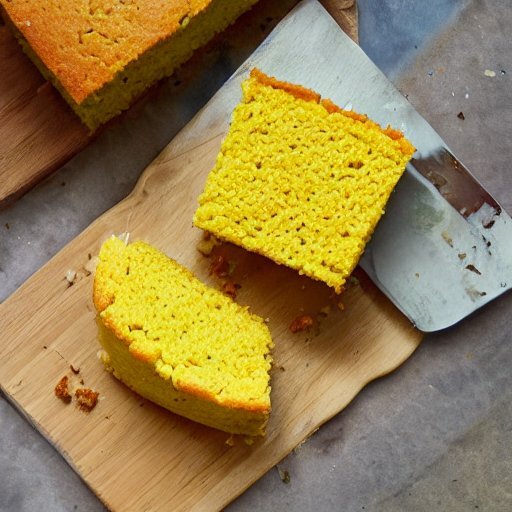
Vegan cornbread is a delicious and nutritious twist on a classic Southern dish. Made without any animal products, it is an excellent option for those following a plant-based or vegan diet. Cornbread is a versatile and comforting food that is perfect for any occasion. Whether enjoyed as a side dish or a main course, it is a flavorful addition to any meal.

The base of vegan cornbread is typically made with cornmeal, flour, baking powder, and a plant-based milk. Common milk substitutes include soy milk, almond milk, or oat milk. The mixture is then sweetened with a natural sweetener, such as maple syrup, agave nectar, or coconut sugar. The addition of vegan butter or oil helps to keep the cornbread moist and tender.

One of the best things about cornbread is the variety of flavor combinations you can create. You can add ingredients like jalapenos, roasted red peppers, or vegan cheddar cheese to give the cornbread a little kick. Or you can add ingredients like apples, cinnamon, or nutmeg to create a sweeter version of the bread.

Vegan cornbread is a healthier alternative to traditional cornbread, as it is lower in saturated fat and cholesterol. It is also a good source of fiber and essential nutrients like iron, magnesium, and vitamin B6. Cornmeal is a whole grain that is high in antioxidants and may help to reduce the risk of heart disease.

In addition to its health benefits, this cornbread is easy to make and can be served with a variety of dishes. It pairs well with chili, soups, salads, or can be enjoyed on its own as a snack. Whether you are vegan or just looking for a healthier version of a classic dish, this cornbread is a delicious and satisfying option. Check out the recipe below. Enjoy!


Best Vegan Cornbread

Prep Time 5 minutes
Cook Time 25 minutes
Total Time 30 minutes
Servings 12
Calories 201
Vegan cornbread is a delicious and nutritious twist on a classic Southern dish. Made without any animal products, it is an excellent option for those following a plant-based or vegan diet.

Ingredients

  • 1 1/4 cups all purpose flour
  • 1 cup yellow corn meal
  • 2/3 cup granulated sugar
  • 1 teaspoon salt
  • 1 tablespoon baking powder
  • 1 1/4 cup unsweetened almond milk
  • 1/3 cup canola oil

Instructions 

  • Preheat the oven to 400 degrees F and lightly grease a 8 x 8 pan, or a 9 inch round cake pan.
  • In a large bowl, combine the flour, cornmeal, sugar, salt and baking powder and stir.
  • Now pour in the almond milk and canola oil. Stir until well combined. Pour batter into prepared pan.
  • Bake for 20-25 minutes, until a toothpick inserted into the center comes out clean.

Notes

1- You may use white whole wheat flour or whole wheat pastry flour in place of all purpose flour if you wish. I haven't tested it with a gluten-free blend but it may work.
2- For oil-free, replace the canola oil with applesauce.
Nutrition
Serving: 1serving | Calories: 201kcal | Carbohydrates: 31g | Protein: 3g | Fat: 7g | Saturated Fat: 1g | Sodium: 229mg | Potassium: 158mg | Fiber: 2g | Sugar: 11g | Calcium: 77mg | Iron: 1mg
Calories: 201kcal
Course: Side Dish
Cuisine: American, vegan
Keyword: plant-based cornbread, Vegan Cornbread, vegan recipes


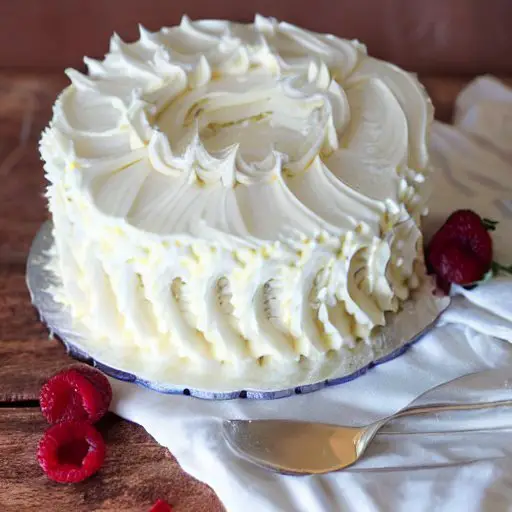
Vegan vanilla cake is a classic dessert that can be enjoyed by anyone, regardless of dietary restrictions. This cake is made without any animal products, but still manages to be tender, moist, and full of flavor.

To make vegan vanilla cake, you’ll start by whisking together flour, sugar, baking powder, and salt in a large bowl. In a separate bowl, mix together plant-based milk, vegetable oil, vanilla extract, and apple cider vinegar. This mixture will serve as your wet ingredients.

Next, add the wet ingredients to the dry ingredients and mix everything together until a smooth batter forms. Be careful not to overmix, as this can lead to a tough cake. Pour the batter into a greased cake pan and bake in a preheated oven for 30-35 minutes, or until a toothpick inserted in the center comes out clean.

Once the cake is done baking, let it cool completely before frosting. For a classic vanilla frosting, you can mix together vegan butter, powdered sugar, plant-based milk, and vanilla extract until everything is smooth and creamy. Spread the frosting over the top and sides of the cake, and decorate with fresh fruit or sprinkles if desired.

Vegan vanilla cake is a versatile dessert that can be enjoyed on its own or dressed up for special occasions. It’s perfect for birthday parties, weddings, or any other celebration. Plus, because it’s vegan, it’s a great option for those with dietary restrictions or ethical concerns about animal products.

In conclusion, vegan vanilla cake is a delicious and easy-to-make dessert that everyone can enjoy. With a few simple substitutions, you can make a cake that’s just as moist and flavorful as any traditional recipe, but without the use of animal products. Give it a try and see for yourself!


Vegan Vanilla Cake Recipe

Prep Time 20 minutes
Cook Time 35 minutes
Total Time 55 minutes
Servings 12 slices
Calories 377
Indulge in the ultimate vegan vanilla cake - fluffy and moist, it's a must-have dessert for all occasions! This recipe is all you need for a perfect vanilla cake, completly vegan!

Ingredients

  • 1 1/4 cups unsweetened non-dairy milk
  • 2 teaspoons apple cider vinegar
  • 1/2 cup aquafaba
  • 1/2 cup vegan butter (softened to room temperature)
  • 1/2 cup canola oil (or melted coconut oil)
  • 1 1/2 cups sugar
  • 1 tablespoon vanilla extract
  • 3 cups cake flour OR all purpose flour*
  • 1 tablespoon baking powder
  • 1/2 teaspoon salt
  • 1 Recipe Vanilla Vegan Frosting

Instructions 

  • Preheat the oven to 350 degrees F and prepare 2 round 8-inch cake pans by lining the bottom with parchment paper and spraying well with oil.
  • Make the Vegan Buttermilk: Combine the non-dairy milk and apple cider vinegar in a glass measuring cup or small bowl. Stir a little, then set aside.
  • Make the Aquafaba: Pour the liquid from a can of chickpeas into a small-medium bowl. Whisk well for a minute, until foamy and light. This acts similar to eggs. You can't taste it at all in the cake, don't worry! You will use 1/2 cup of this, and the liquid from 1 can is just perfect.
  • In a large bowl using an electric hand mixer (or a stand mixer with a paddle attachment), cream together the softened vegan butter, canola oil and sugar until creamy and well combined.
  • Measure out 1/2 cup of the foamy aquafaba, and add it to the bowl with the creamed butter/oil/sugar, along with the vanilla extract. Beat until well combined.
  • In a separate medium sized bowl, whisk together the flour, baking powder and salt.
  • To the main bowl with the wet mixture with the mixer on low speed, alternate adding the flour mixture and vegan buttermilk, mixing until just combined after each time. The batter should be fairly smooth (a few lumps are okay), but avoid over-mixing.
  • Pour the cake batter evenly into the prepared pans, and bake for 30-35 minutes, until the edges are golden brown, the surface looks and feels set, and a toothpick comes out mostly clean, with no wet batter.
  • Allow the cakes to cool in the pans for 15 minutes, then carefully invert them onto a cooling rack. Allow them to cool completely before frosting. You can place them in the refrigerator to speed the cooling process along if you need to.
  • Frost with my Vanilla Vegan Frosting or use the Chocolate Frosting from my Chocolate Cake Recipe. Add some sprinkles for fun, if desired. Enjoy!

Notes

Notes
1- Cake flour will make the cake much lighter with a fine crumb, but all purpose works fine if you can't find cake flour.
2- May use any kind of unsweetened non-dairy milk, such as soy, almond, cashew, coconut or rice milk.
3- Earth balance brand of vegan butter is preferred. You can use another brand, but make sure you like the flavor of it, as it may come through in the cake.
4- Aquafaba is simply the liquid from a can of chickpeas/garbanzo beans. It sounds weird, but when it's whipped up a bit it has many great uses! It works like eggs, eggwhites and can even be used to make vegan meringue! You can not taste it AT ALL.
5- You could make cupcakes with this recipe, if desired. They will need less baking time, 20-25 minutes.
6- Calorie estimate is with 1/12th of the cake with Vanilla Vegan frosting.
Nutrition
Serving: 1serving | Calories: 377kcal | Carbohydrates: 52g | Protein: 4g | Fat: 17g | Saturated Fat: 3g | Sodium: 204mg | Potassium: 135mg | Fiber: 1g | Sugar: 28g | Vitamin A: 420IU | Calcium: 80mg | Iron: 2mg
Calories: 377kcal
Course: Dessert
Cuisine: American, vegan
Keyword: vegan cake, vegan dessert, vegan recipes, vegan vanilla cake


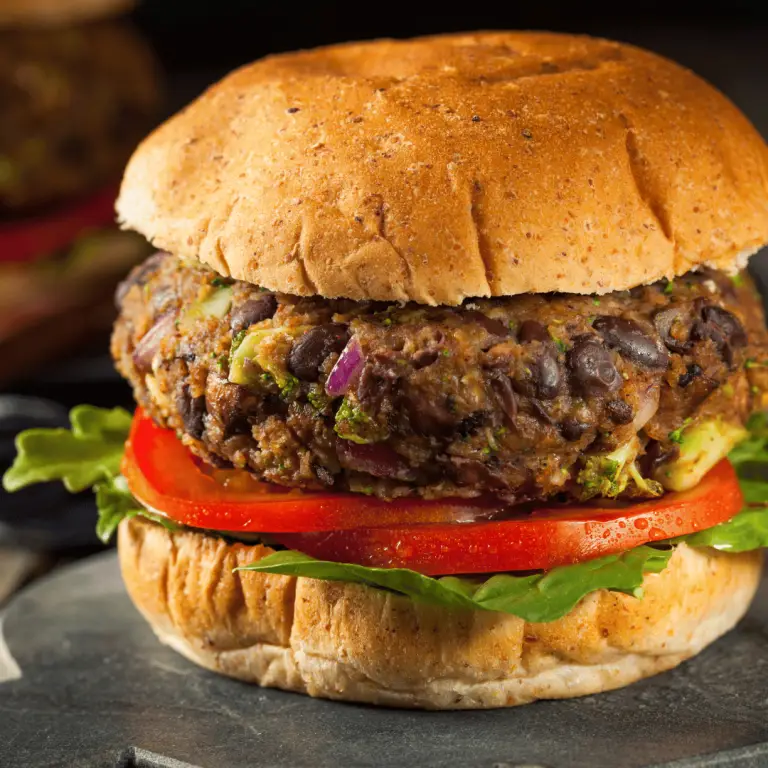
Vegan Black Bean Burger is a plant-based alternative to traditional meat burgers, made using black beans as the main ingredient. The black beans are mixed with a variety of herbs, spices, and other ingredients to create a delicious and healthy patty that can be enjoyed by vegans and non-vegans alike.

One of the main benefits of a Vegan Black Bean Burger is that it is packed full of nutrients. Black beans are an excellent source of protein, fiber, iron, and other essential vitamins and minerals, making them an ideal choice for anyone looking to increase their intake of plant-based protein. This makes them a great alternative to meat burgers, which can be high in saturated fat and cholesterol.


In addition to their nutritional benefits, Vegan Black Bean Burgers are also incredibly versatile. They can be cooked in a variety of ways, including grilling, baking, or pan-frying, and can be served on a variety of different buns or breads, from whole wheat buns to gluten-free options. They can also be topped with a variety of different toppings, such as avocado, salsa, or vegan cheese, making them a great option for anyone looking to experiment with different flavor combinations.

Another advantage of a Vegan Black Bean Burger is that they are incredibly easy to make at home. There are many different recipes available online, and most require just a few simple ingredients that can be found at any grocery store. This means that even if you are not a skilled cook, you can still enjoy a delicious and healthy plant-based burger in the comfort of your own home.

Overall, a Vegan Black Bean Burger is a delicious and healthy alternative to traditional meat burgers. They are packed full of nutrients, easy to make at home, and incredibly versatile, making them a great option for anyone looking to incorporate more plant-based protein into their diet.


Vegan Black Bean Burger Recipe

Prep Time 20 minutes
Cook Time 10 minutes
Total Time 30 minutes
Servings 4
Calories 434
Vegan Black Bean Burger is a delicious and healthy alternative to traditional meat burgers. They are packed full of nutrients, easy to make at home, and incredibly versatile.

Ingredients

  • 1 cup Walnuts (100g)
  • 1 Medium Onion White (Yellow or Brown, Chopped)
  • 1 teaspoon Crushed Garlic
  • 1 Tablespoon Olive Oil
  • 15 ounce Can Black Beans (1 can drained very well)
  • ½ teaspoon Smoked Paprika
  • ½ teaspoon Coriander Powder
  • ½ teaspoon Cumin
  • ½ teaspoon Onion Powder
  • ½ teaspoon Garlic Powder
  • 2 Tablespoons Tomato Paste
  • ½ teaspoon Salt
  • ¼ teaspoon Ground Black Pepper
  • ½ cup All Purpose Flour (63g)
  • 2 Tablespoons Olive Oil for Frying
  • 2 Tablespoons Vegan Barbecue Sauce for Basting

For Serving (Optional):

  • Hamburger Buns
  • Lettuce
  • Pickles
  • Sliced Tomato
  • Guacamole
  • Sliced Red Onion

Instructions 

  • Add the walnuts to a food processor and process until crumbly. Transfer to a mixing bowl and set aside.
  • Add the chopped onion, crushed garlic and olive oil to a frying pan and sauté until the onions are softened.
  • Add the cooked onions and garlic to a food processor along with the black beans, smoked paprika, coriander powder, cumin, onion powder, garlic powder, tomato paste, salt and black pepper. Process until smooth. Then transfer to the mixing bowl with the crushed walnuts.
  • Add the flour to the mixing bowl and mix in. If the mix still seems very wet when you touch it, then add in a little more flour. The first time I made these I didn't need extra flour but the second time I needed an extra 2 Tablespoons as I hadn't drained my black beans as well as I had the first time.
  • Flour a baking tray and then divide the batter into four equal sections. Add more flour if needed to the outside of the patties for easier handling and then form them into burger patties. You can do this by rolling into a ball and then flattening by placing a square of parchment paper over the top and pressing down with the base of a glass. Or you can form into burger patties by patting them down into a round cutter to make a flat burger patty shape.
  • When all your burger patties are formed on the baking tray place the baking tray into the freezer for 30 minutes so the burgers can firm up.
  • Add the 2 tablespoons olive oil to a frying pan and heat until hot. Add in all four burgers if your pan is big enough, otherwise do them in two batches. Fry for 5 minutes on one side and then flip. Brush the tops and sides of the burgers with some vegan barbecue sauce. Fry for 5 minutes on the other side and then remove from the pan.
  • Serve on hamburger buns with lettuce, pickles, sliced tomato, guacamole and sliced red onion.

Notes

1- This recipe uses 1 full 15 ounce (425g) can of black beans, drained and rinsed. If you want to use cooked black beans (not canned) then the amount to use would be 1 and ½ cups.
2- You'll need extra flour to flour a baking tray and form the burgers into patties. You may also need to add more to the mix itself, this will depend on how well you have drained the black beans, ideally the black beans should be very well drained and not 'wet' at all when they go into the food processor. But if your mix is too wet add a couple more tablespoons of flour.
3- These burgers are nice and firm on the outside, but soft on the inside. If you want them to be firmer all through, you could divide the burger mix into 6 burgers instead of 4. That way they will be thinner and will be crispier all through when fried.
4- Nutrition information is for a burger patty only, excluding any of the things you would serve it with.
5- Prep time does not include the 30 minutes spent chilling in the freezer.
Nutrition :
Serving: 1Burger | Calories: 434kcal | Carbohydrates: 39.4g | Protein: 11.2g | Fat: 27.1g | Saturated Fat: 3g | Sodium: 623mg | Fiber: 9.4g | Sugar: 6g
Author: VeganLifeTips
Calories: 434kcal
Course: Main Course
Cuisine: American, vegan
Keyword: meatless burger, plant-based burger, Vegan Black Bean Burger, vegan burger, vegan recipes


Vegan Coconut Chickpea Curry is a delicious and nutritious plant-based meal that is packed with flavor and spice. This curry is a perfect combination of creamy coconut milk and protein-rich chickpeas, making it a filling and satisfying meal. The dish is also loaded with vegetables such as bell peppers, onions, and spinach, which makes it a wholesome and balanced meal.

To make this recipe, start by sautéing onions and bell peppers in coconut oil until they are tender. Then, add garlic, ginger, and curry powder to the pan and cook until fragrant. Next, add chickpeas and coconut milk to the pan, and let it simmer for a few minutes until the chickpeas are heated through. Finally, add spinach and let it cook for a minute until wilted.

This dish is incredibly versatile and can be served with rice, quinoa, or any other grain of your choice. It is also perfect as a side dish or a main course, depending on your appetite. The creamy coconut milk and the spices in the curry make it a warming and comforting meal, perfect for cold winter nights.

One of the best things about this recipe is that it is incredibly healthy. Chickpeas are a great source of plant-based protein and are also rich in fiber, which helps to keep you feeling full for longer. The vegetables in the curry are also loaded with vitamins and minerals, making this a nourishing meal for your body.

In addition to being healthy and delicious, Vegan Coconut Chickpea Curry is also very easy to make. With just a few simple ingredients and a little bit of time, you can have a flavorful and wholesome meal on your table in no time.

In conclusion, Vegan Coconut Chickpea Curry is a perfect dish for anyone who is looking for a healthy and tasty meal. It is versatile, easy to make, and packed with flavor and nutrients. So, next time you are looking for a new vegan recipe to try, give this one a go!


Vegan Coconut Chickpea Curry

Prep Time 15 minutes
Cook Time 30 minutes
Total Time 45 minutes
Servings 4
Calories 225
Vegan Coconut Chickpea Curry is a delicious and nutritious plant-based meal that is packed with flavor and spice. This curry is a perfect combination of creamy coconut milk and protein-rich chickpeas, making it a filling and satisfying meal. The dish is also loaded with vegetables such as bell peppers, onions, and spinach, which makes it a wholesome and balanced meal.

Ingredients

  • 2 tablespoons coconut oil
  • 1 medium red onion or yellow onion (diced)
  • 14 ounces fresh or canned tomatoes (diced (400g))
  • sea salt & ground black pepper (to taste)
  • 16 ounces canned chickpeas (drained & rinsed (454g))
  • 3 garlic cloves (minced)
  • 1 ½ tablespoons garam masala – I use this one
  • 1 teaspoon curry powder I use this one
  • ¼ teaspoon cumin
  • 13.5 ounces canned coconut milk* ((383g))
  • 2 teaspoons coconut flour (OPTIONAL**)
  • 1 small lime (juice of)

Instructions 

  • In a deep pot over medium-high heat, add the coconut oil.
  • Add in the onions and tomatoes. Grind some sea salt and ground black pepper over the mixture and stir together. Lower heat to medium and allow to cook down until juices of the tomatoes are naturally released and onions are soft, about 10 minutes.
  • Add in the chickpeas, garlic, garam masala, curry powder and cumin. Stir to combine.
  • Add in the coconut milk and stir again. Add in the coconut flour which helps to slightly thicken the curry. Bring the curry to a boil, and then reduce to medium-low so that the mixture continues to simmer for 10 to 12 more minutes.
  • Taste the curry and season with salt and pepper if you desire. Remove the curry from the heat and squeeze a lime lightly over the top of the curry, stirring to combine. Don’t skip this step!! Allow to cool slightly and then serve. Enjoy!

Notes

This recipe is vegan and gluten-free.
I’ve been asked this MANY times – this is the curry powder I use! It’s my favourite!
*Many readers have asked and yes you can definitely use reduced-fat coconut milk! You can even use boxed coconut milk if those calories suit you better.
** The coconut flour is optional and up to you! You can also use any other gluten-free flour you have on hand to thicken it, I just loved this flavour the most. You also don’t need to thicken it if you don’t want to, we skip it all the time.
WW POINTS: 6 with reduced fat coconut milk, 12 with regular (natural occurring sugar from tomatoes)
HOW TO STORE:You can store this curry in an air-tight tupperware container in the fridge for up a week. It’s an excellent candidate for freezing and can be stored in the freezer for up to a month.
A FEW NOTES:
1. This curry lasts for at least 5 days in the fridge as leftovers.
2. You can serve with whole wheat naan bread, basmati rice, or even crispy tortilla chips.
3. I substituted a can of chickpeas in the recipe for ease, but if you want you can buy dried chickpeas, soaked overnight, and then boiled until soft in replacement.
4. If you don’t have coconut flour, you can use regular flour if you’re not gluten-free.
TO ADD HEAT:
1. Crushed red pepper flakes: I would start with 1/4 teaspoon in the beginning so that that gets heated up with everything else. Taste and you can always add another 1/4 teaspoon.
2. Harissa paste: if you have a harissa or chili paste, you can stir a little in before the simmer part so that it can heat up with everything. Even sriracha can work.
3. Lastly, and my favourite, scotch bonnet pepper sauce which adds flavours and lots of heat. A few drops right before simmer again, and you can taste and decide whether you want to add more.
Nutrition Info :
Calories: 225kcal, Carbohydrates: 28.5g, Protein: 7.3g, Fat: 9.4g, Sodium: 184.8mg, Sugar: 8.1g
Author: Ayman
Calories: 225kcal
Course: Dinner
Cuisine: Indian, vegan
Keyword: Chickpea curry, Vegan Chickpea Curry, Vegan Coconut Chickpea Curry, vegan recipes


Vegan Mushroom Stroganoff is a delicious and comforting meal that is perfect for a cozy night in. This recipe is an excellent alternative for anyone who is looking to enjoy a classic dish without meat or dairy. To make Vegan Mushroom Stroganoff, start by sautéing onions and garlic in a large skillet until they are soft and fragrant. Next, add sliced mushrooms and cook until they are tender and juicy. For added flavor, you can use a variety of mushrooms such as shiitake, cremini, or button mushrooms.

To create the creamy sauce, whisk together vegetable broth, soy sauce, and flour in a separate bowl until smooth. Then add the sauce to the skillet with the mushrooms and onions, and simmer until the sauce thickens and coats the mushrooms. This sauce is what gives the stroganoff its rich and creamy texture, without the use of heavy cream or sour cream.

Once the sauce has thickened, stir in vegan sour cream and fresh herbs for added flavor and creaminess. Popular herbs to use include parsley, thyme, or dill. This gives the stroganoff a burst of fresh flavor, which perfectly balances the rich and savory sauce.

To serve, you can choose to pair the stroganoff with a variety of noodles or rice. Egg noodles are a popular choice for stroganoff, but you can use any type of pasta that you prefer. Alternatively, you can serve it over a bed of fluffy rice, which is a great option for a gluten-free meal.

In conclusion, Vegan Mushroom Stroganoff is a comforting and delicious meal that is easy to make and perfect for a cozy night in. This recipe is a great way to enjoy a classic dish in a plant-based way, without sacrificing flavor or texture. With its rich and creamy sauce, tender mushrooms, and fresh herbs, it’s sure to become a new favorite in your recipe rotation.


Creamy Vegan Mushroom Stroganoff

Prep Time 20 minutes
Cook Time 50 minutes
Total Time 1 hour 10 minutes
Servings 6
Calories 525
Creamy Vegan Mushroom Stroganoff is a plant-based twist on the classic comfort food dish. Made with tender mushrooms, a creamy vegan sauce, and fresh herbs, this dish is both satisfying and delicious.

Ingredients

  • 3 to 4 tablespoons olive oil* (divided)
  • 2 large leeks or 3 small-medium leeks
  • 20 ounces of mixed mushrooms (~560g (see “Ingredient Rundown” section for which variety I used))
  • 6 garlic cloves (minced)
  • 1 tablespoon fresh thyme leaves (roughly chopped, or 1 teaspoon dried thyme)
  • Kosher salt
  • 1 1/2 cups vegetable broth
  • 2 tablespoons tamari or soy sauce
  • 1 tablespoon vegan Worcestershire sauce (optional)
  • ¼ cup ~30g all-purpose flour**
  • ½ cup ~120 ml dry white wine, such as Pinot Grigio or Sauvignon Blanc
  • 1 13.5 ounce (400 ml) can of full-fat coconut milk
  • 2 tablespoons tahini
  • 2 tablespoons nutritional yeast
  • 1 teaspoon paprika
  • ½ teaspoon Dijon mustard or coarse-grain mustard
  • 12 ounces 340g pasta of choice
  • ¼ cup fresh dill (chopped)
  • Freshly cracked black pepper to taste

Instructions 

  • Prep the mushrooms. Wipe off any dirt patches with a paper towel or clean kitchen towel. Depending on the variety, slice them or tear them with your hands (oyster and maitake are much easier to tear than slice).
  • Prep the leeks. Slice off the dark green tops and discard or save for making vegetable broth. Cut each leek in half vertically and then slice horizontally, but not too thinly, as they’ll cook down with the mushrooms for quite a while.
  • NOTE: Leeks are very dirty, so you need to wash them at this stage. Submerge chopped leeks in a bowl of cold water, run your hands through the bowl to loosen the dirt, and then scoop the leeks out using your hands or a slotted spoon. Pat dry the washed leeks.
  • Heat a large sauté pan with deep sides (or a Dutch oven) over medium-high heat and add 1 1/2 to 2 tablespoons of olive oil. Once the oil is shimmering, add HALF of the leeks and mushrooms. Cook for 8 to 10 minutes until mushrooms are nicely browned, stirring occasionally but not too frequently.
  • Reduce the heat to medium and add HALF of the garlic, HALF of the thyme, and 1/4 teaspoon kosher salt. Cook for 2-4 minutes, or until the mushrooms are browned and crispy. When done cooking, transfer this batch to a plate or bowl.
  • Repeat the process with the remaining oil, mushrooms, leeks, garlic, thyme, and salt.
  • While the mushrooms are cooking, make the “vegetable broth roux.” In a medium bowl, whisk together the vegetable broth, tamari, Worcestershire sauce (if using), and flour in. Whisk until until no clumps remain.
  • Pour the white wine into the pan with the cooked mushrooms, and use a wooden spoon or flat-ended spatula to deglaze the pan by scraping up any brown bits on the bottom of the pan. Reduce the heat as needed to simmer for 3 minutes, or until the smell of alcohol has dissipated and the wine has mostly evaporated.
  • Pour the vegetable broth roux into the pan and whisk to combine, ensuring there are no clumps. Bring to a simmer, then pour in the coconut milk, tahini, nutritional yeast, ½ teaspoon kosher salt, and paprika. Bring to a simmer over medium-low heat. Cook for 10 minutes, until the sauce is thickened and very creamy.
  • Meanwhile, cook the pasta. Bring a large saucepan of salted water to a boil. Cook the pasta according to the package instructions until al dente. Drain and keep warm.
  • Stir the Dijon mustard into the stroganoff sauce and stir. Add the hot cooked pasta and chopped dill (or parsley), and toss to coat.
  • Divide the pasta among plates or bowls, and top each with a handful of the first batch of crispy mushrooms and extra dill (or parsley) to garnish.

Notes

1- If using a Dutch oven or ceramic pan (as opposed to a nonstick pan), you’ll need to use a bit more oil.
2- For instructions on how to make this recipe gluten-free, see the section above “how to make this recipe gluten-free.”
Nutrition Info :
Calories: 525kcal | Carbohydrates: 60g | Protein: 16g | Fat: 25g | Saturated Fat: 14g | Polyunsaturated Fat: 3g | Monounsaturated Fat: 7g | Sodium: 560mg | Potassium: 748mg | Fiber: 5g | Sugar: 5g | Vitamin C: 12mg | Calcium: 67mg | Iron: 5mg
Calories: 525kcal
Course: Dinner, Lunch
Cuisine: russian, vegan
Keyword: Vegan Mushroom Stroganoff, vegan recipes