Author

VeganLifeTips

Browsing

Kale, with its vibrant green leaves and robust flavor, has gained recognition as one of the most nutrient-dense foods on the planet. Packed with vitamins, minerals, fiber, and powerful antioxidants, kale is a nutritional powerhouse that offers a plethora of health benefits. From promoting heart health and supporting weight management to boosting immune function and providing essential nutrients, kale is a true superfood that deserves a place on your plate. In this article, we delve into the remarkable health benefits of kale and explore why it is a valuable addition to any healthy diet.


Nutrient-Rich Superfood:

Kale is rich in essential nutrients, including vitamins A, C, and K, as well as minerals like calcium, magnesium, and potassium. These nutrients play vital roles in supporting various bodily functions, such as bone health, immune function, and maintaining healthy skin.

Heart Health:

Kale is a heart-healthy food. It contains high levels of antioxidants, such as flavonoids and polyphenols, which help reduce inflammation and protect the cardiovascular system. The fiber content in kale can also help lower LDL (bad) cholesterol levels, reducing the risk of heart disease.

Weight Management:

Kale is a fantastic addition to a weight management plan. It is low in calories and high in fiber, promoting feelings of fullness and aiding in appetite control. The combination of fiber and nutrients in kale supports healthy digestion and can contribute to sustainable weight loss or maintenance.


Immune-Boosting Properties:

Kale is an immune system powerhouse. It is rich in vitamin C, an essential nutrient for immune function. Vitamin C stimulates the production of white blood cells, which help fight off infections and viruses. Regular consumption of kale can strengthen the immune system and support overall health.

Antioxidant Support:

Kale is loaded with antioxidants that help protect the body against free radicals and oxidative stress. The high levels of vitamin C and beta-carotene in kale contribute to its antioxidant properties, reducing the risk of chronic diseases, such as cancer, and promoting healthy aging.

Bone Health:

Kale is an excellent source of vitamin K, which is crucial for maintaining strong and healthy bones. Vitamin K plays a role in bone metabolism and helps prevent conditions like osteoporosis. Including kale in your diet can contribute to optimal bone health and reduce the risk of fractures.


Eye Health:

Kale contains lutein and zeaxanthin, two antioxidants that are beneficial for eye health. These compounds help protect the eyes from harmful UV radiation and reduce the risk of age-related macular degeneration and cataracts. Regular consumption of kale can support healthy vision and preserve eye health.

Detoxification and Digestive Health:

Kale contains sulfur compounds that aid in the body’s natural detoxification processes. These compounds support the liver’s function in eliminating toxins from the body. Additionally, the fiber content in kale promotes healthy digestion, regular bowel movements, and supports a healthy gut microbiome.

Conclusion:

Kale is an exceptional superfood that offers an array of health benefits. From its rich nutrient profile and heart-healthy properties to its immune-boosting effects and support for weight management, kale is a versatile and nutritious addition to any diet. Embrace the mighty kale and incorporate it into your meals to enjoy the numerous advantages it provides for your overall health and well-being.

Kale health benefits

Ginger, with its unique spicy and zesty flavor, has been used for centuries as both a culinary delight and a medicinal herb. This versatile root offers a wide range of health benefits, thanks to its potent bioactive compounds. From aiding digestion and reducing inflammation to boosting immune function and relieving nausea, ginger is a true superfood that can enhance your overall well-being. In this article, we delve into the remarkable health benefits of ginger and shed light on why it deserves a prominent place in your kitchen and medicine cabinet.


Digestive Aid:

Ginger has long been revered for its digestive properties. It can help alleviate various digestive issues, including indigestion, bloating, and stomach discomfort. Ginger stimulates the production of digestive enzymes, enhances nutrient absorption, and helps move food through the digestive tract, promoting healthy digestion.

Anti-Inflammatory Effects:

One of the key health benefits of ginger is its potent anti-inflammatory properties. Ginger contains compounds called gingerols, which have been shown to reduce inflammation in the body. Regular consumption of ginger may help alleviate symptoms of inflammatory conditions such as arthritis and promote overall joint health.

Immune System Booster:

Ginger is known for its immune-boosting properties. It contains antioxidants that help strengthen the immune system and protect the body against harmful pathogens. Regular intake of ginger may reduce the risk of infections, common colds, and other respiratory illnesses.


Nausea Relief:

Ginger has been widely recognized as a natural remedy for nausea and vomiting. It is particularly effective in relieving morning sickness during pregnancy and motion sickness. Ginger helps soothe the stomach and calm the digestive system, providing relief from nausea symptoms.

Pain Management:

Ginger has analgesic properties and can be helpful in managing pain. It is commonly used as a natural remedy for menstrual cramps, muscle soreness, and headaches. Ginger’s anti-inflammatory effects may also contribute to its pain-relieving properties.

Blood Sugar Regulation:

Research suggests that ginger may play a role in regulating blood sugar levels. It may help improve insulin sensitivity and reduce fasting blood sugar levels, making it beneficial for individuals with diabetes or those at risk of developing the condition.

Heart Health:

Several studies have indicated that ginger may have positive effects on heart health. It can help lower blood pressure and reduce LDL (bad) cholesterol levels. Ginger’s anti-inflammatory properties also contribute to cardiovascular health by reducing the risk of heart disease and improving overall blood circulation.


Antioxidant Powerhouse:

Ginger is rich in antioxidants that help combat oxidative stress and prevent cell damage caused by free radicals. These antioxidants may help protect against chronic diseases, such as cancer, and promote overall cellular health.

Conclusion:

Ginger is a remarkable root that offers an array of health benefits. From aiding digestion and reducing inflammation to boosting immune function and relieving nausea, ginger has proven itself to be a potent and natural remedy. Incorporating ginger into your diet, whether in fresh, powdered, or tea form, can be a flavorful and beneficial way to support your overall well-being. Embrace the zesty wonder of ginger and harness its powerful effects to enhance your health and vitality.

health benefits of ginger

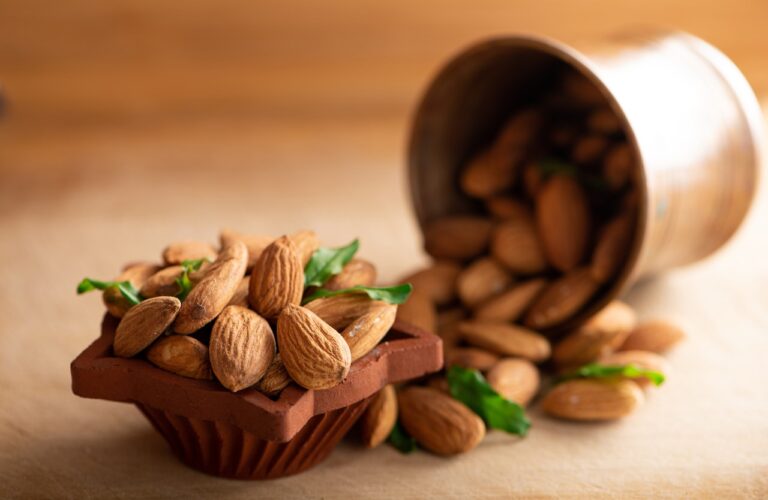
Almonds, with their unique crunch and delicate flavor, have long been cherished as a nutritious and versatile snack. Packed with essential nutrients, healthy fats, and antioxidants, almonds are a true powerhouse that can contribute to your overall well-being. From promoting heart health and supporting weight management to enhancing brain function and boosting skin health, almonds offer a wide array of health benefits. In this article, we delve into the remarkable advantages of incorporating almonds into your diet and uncover why they deserve a special place in your pantry.


Heart Health:

Almonds are rich in monounsaturated fats, which are heart-healthy fats that can help lower LDL (bad) cholesterol levels. The presence of antioxidants, such as vitamin E, in almonds also plays a role in reducing the risk of heart disease. Regular consumption of almonds has been associated with improved cardiovascular health and a reduced risk of developing heart conditions.

Weight Management:

Contrary to what some may think, almonds can actually be beneficial for weight management. Despite being calorie-dense, the combination of healthy fats, fiber, and protein in almonds helps promote feelings of fullness and satiety. Including almonds in your diet can help control appetite, prevent overeating, and support healthy weight loss or maintenance.

Brain Booster:

Almonds are often referred to as “brain food” due to their nutrient composition. They are a rich source of vitamin E, which is associated with improved cognitive function and may help reduce the risk of age-related cognitive decline. The combination of healthy fats, antioxidants, and minerals in almonds supports brain health and may enhance memory and learning abilities.


Skin Health:

The vitamin E content in almonds contributes to healthy skin. Vitamin E is a powerful antioxidant that helps protect skin cells from damage caused by free radicals and UV radiation. Regular consumption of almonds may help improve skin elasticity, promote a youthful appearance, and reduce the signs of aging.

Blood Sugar Regulation:

Almonds have a low glycemic index, meaning they have a minimal impact on blood sugar levels. The combination of fiber, healthy fats, and protein in almonds helps slow down the absorption of glucose, providing a steady release of energy and preventing spikes in blood sugar levels. Incorporating almonds into a balanced diet may be beneficial for individuals with diabetes or those looking to manage blood sugar levels.

Bone Health:

Almonds are a good source of several essential minerals, including calcium, magnesium, and phosphorus, which are crucial for maintaining strong and healthy bones. These minerals contribute to bone development, density, and strength, reducing the risk of conditions like osteoporosis.

Digestive Health:

The high fiber content in almonds promotes healthy digestion. Fiber adds bulk to the stool, preventing constipation and promoting regular bowel movements. Additionally, almonds contain prebiotic properties that support the growth of beneficial gut bacteria, promoting a healthy gut microbiome.


Nutrient-Rich Goodness:

Almonds are packed with a wide range of essential nutrients, including vitamin E, magnesium, potassium, and calcium. These nutrients play vital roles in various bodily functions, such as supporting immune function, maintaining nerve health, regulating blood pressure, and promoting optimal overall health.

Conclusion:

Almonds are a true nutritional treasure, offering an abundance of health benefits. From promoting heart health and aiding weight management to enhancing brain function and supporting skin health, almonds are a versatile and delicious addition to any diet. Incorporate a handful of almonds into your daily routine and savor the myriad advantages they provide for your overall well-being. Embrace the nutrient-rich goodness of almonds and let them become a delightful and healthful part of your lifestyle.

almonds health benefits

Blueberries, with their vibrant hue and delightful taste, are more than just a tasty treat. These small but mighty fruits are loaded with powerful nutrients and have been recognized as a superfood for their exceptional health benefits. Packed with antioxidants, fiber, and a range of vitamins and minerals, blueberries offer a multitude of advantages that can positively impact your overall well-being. In this article, we explore the remarkable health benefits of blueberries and uncover why they deserve a prominent place in your diet.


Antioxidant Powerhouse:

Blueberries are renowned for their high antioxidant content. They are packed with anthocyanins, which give them their deep blue color and provide potent antioxidant properties. These antioxidants help protect the body against harmful free radicals, reducing the risk of chronic diseases such as cancer, heart disease, and age-related cognitive decline.

Heart Health:

Regular consumption of blueberries has been associated with improved cardiovascular health. The antioxidants in blueberries help lower blood pressure and reduce LDL (bad) cholesterol oxidation, which can contribute to a healthier heart. The fiber content in blueberries also aids in maintaining healthy cholesterol levels.

Brain Boost:

Blueberries have been dubbed “brain berries” due to their positive effects on cognitive function. The antioxidants in blueberries have been shown to improve memory and enhance brain health. Studies suggest that regular consumption of blueberries may help slow down age-related cognitive decline and improve overall brain function.


Eye Health:

Blueberries are rich in compounds such as vitamins A and C, along with antioxidants like lutein and zeaxanthin. These nutrients contribute to maintaining healthy vision and protecting the eyes from age-related conditions such as macular degeneration and cataracts.

Digestive Health:

Blueberries are an excellent source of dietary fiber, which is essential for a healthy digestive system. Fiber helps promote regular bowel movements, prevent constipation, and support the growth of beneficial gut bacteria. Consuming blueberries can contribute to a healthy gut microbiome and improve overall digestive function.

Anti-Inflammatory Properties:

Chronic inflammation is a key factor in many diseases. Blueberries possess anti-inflammatory properties that can help reduce inflammation throughout the body. The antioxidants in blueberries combat oxidative stress and inflammation, potentially lowering the risk of chronic conditions such as heart disease, diabetes, and certain types of cancer.

Weight Management:

Blueberries can be a valuable addition to a weight management plan. Despite being low in calories, they are rich in fiber, which promotes feelings of fullness and reduces overeating. The natural sweetness of blueberries can also satisfy cravings for sugary snacks, making them a healthier alternative.


Immune System Support:

Blueberries are packed with vitamin C, which is known to support a healthy immune system. This vitamin plays a vital role in strengthening the body’s natural defenses and protecting against infections and diseases. Including blueberries in your diet can provide a natural boost to your immune system.

Conclusion:

Blueberries are a true nutritional powerhouse, offering an impressive range of health benefits. From their antioxidant-rich nature to their positive impact on heart health, brain function, digestion, and immune support, these small berries pack a powerful punch. So, whether you enjoy them fresh, frozen, or added to smoothies, incorporating blueberries into your diet is a delicious way to boost your overall well-being. Embrace the mighty blueberries and indulge in their sweet and nourishing benefits.

blueberries health benefits

Dates, with their rich sweetness and chewy texture, have been enjoyed for thousands of years and revered for their numerous health benefits. These versatile fruits not only satisfy the palate but also offer a wide array of essential nutrients, vitamins, and minerals. From promoting digestion and boosting energy levels to supporting heart health and strengthening bones, dates are a natural treasure that can contribute to your overall well-being. In this article, we delve into the remarkable health benefits of dates and shed light on why they deserve a prominent place in your diet.


Digestive Health:

Dates are packed with dietary fiber, making them excellent for promoting healthy digestion. Fiber aids in maintaining regular bowel movements, preventing constipation, and promoting overall gut health. Furthermore, dates contain natural laxative properties, which can help relieve digestive discomfort and regulate bowel movements.

Energy Booster:

Dates are a concentrated source of natural sugars, including fructose, glucose, and sucrose. These sugars provide a quick burst of energy, making dates a perfect snack for an instant pick-me-up. Additionally, dates are rich in complex carbohydrates, which are digested more slowly and provide a sustained release of energy, keeping you feeling energized throughout the day.

Heart Health:

Dates offer significant benefits for cardiovascular health. They are naturally low in cholesterol and sodium while being rich in potassium, a mineral known for its role in maintaining healthy blood pressure levels. The high fiber content in dates also helps reduce LDL (bad) cholesterol levels, thus reducing the risk of heart disease and stroke.

Bone Strength:

Dates contain essential minerals such as calcium, magnesium, and phosphorus, which are crucial for maintaining strong and healthy bones. Regular consumption of dates can help prevent conditions like osteoporosis and contribute to optimal bone health, especially in older individuals.


Antioxidant Powerhouse:

Dates are rich in antioxidants, which help combat free radicals and reduce oxidative stress in the body. Antioxidants protect cells from damage and inflammation, reducing the risk of chronic diseases such as cancer, diabetes, and cardiovascular ailments. The presence of phenolic compounds in dates contributes to their potent antioxidant properties.

Improved Brain Function:

Dates contain several nutrients that support brain health and cognitive function. They are a good source of vitamin B6, which plays a crucial role in neurotransmitter synthesis and brain development. Additionally, dates contain natural sugars that provide fuel for the brain, promoting mental alertness and focus.

Iron-Rich Superfood:

Dates are a fantastic source of iron, a mineral essential for the production of hemoglobin and the transportation of oxygen in the body. Including dates in your diet can help prevent iron deficiency anemia, boost energy levels, and support overall vitality.

Natural Weight Management:

Despite their sweetness, dates can be a valuable addition to a weight management plan. Their high fiber content promotes feelings of fullness and satiety, reducing the urge to overeat. Dates also contain natural sugars that are less likely to cause blood sugar spikes when consumed in moderation.


Conclusion:

Dates are not only a delicious and versatile fruit but also a nutritional powerhouse offering a wide range of health benefits. From aiding digestion and boosting energy levels to supporting heart health, strengthening bones, and promoting brain function, dates are an excellent choice for enhancing overall well-being. So, next time you crave something sweet, reach for dates and indulge in their natural goodness while reaping the numerous health advantages they have to offer.

dates health benefits

Indulging in a piece of dark chocolate can be a guilty pleasure, but did you know that it also offers an array of remarkable health benefits? Dark chocolate, with its rich and intense flavor, contains a treasure trove of nutrients that can positively impact your well-being. From boosting cardiovascular health and enhancing brain function to improving mood and even protecting against certain diseases, dark chocolate proves that a treat can be both delicious and beneficial. In this article, we explore the delightful health benefits of dark chocolate and uncover why it’s a guilt-free pleasure to enjoy.


Heart Health:

Dark chocolate, particularly varieties with a high percentage of cocoa, is packed with heart-healthy compounds. The flavonoids found in cocoa beans have been shown to reduce the risk of heart disease by improving blood flow, lowering blood pressure, and preventing the formation of blood clots. Regular consumption of dark chocolate has been associated with reduced LDL (bad) cholesterol levels and increased levels of HDL (good) cholesterol.

Antioxidant Powerhouse:

Dark chocolate is rich in antioxidants, which help protect the body against oxidative stress and damage caused by harmful free radicals. The high cocoa content in dark chocolate is particularly abundant in flavonoids and polyphenols, potent antioxidants that have been linked to various health benefits. Antioxidants play a vital role in reducing inflammation, supporting the immune system, and combating the effects of aging.

Brain Booster:

Indulging in dark chocolate can have a positive impact on brain function. The flavonoids in dark chocolate have been found to enhance blood flow to the brain, improving cognitive function and memory. Dark chocolate also contains small amounts of caffeine and stimulating compounds like theobromine, which can boost alertness and concentration.

Mood Enhancer:

Dark chocolate has long been associated with a boost in mood and a sense of well-being. It stimulates the release of endorphins, the “feel-good” hormones in the brain, promoting feelings of happiness and reducing stress. Dark chocolate also contains serotonin, a neurotransmitter that acts as a natural mood stabilizer.


Nutrient-Rich Goodness:

Dark chocolate is a good source of essential minerals, including magnesium, copper, iron, and manganese. These minerals play vital roles in various bodily functions, such as maintaining healthy bones and aiding in energy production. Dark chocolate also provides a source of dietary fiber, which supports digestion and helps regulate blood sugar levels.

Skin Health:

The antioxidants found in dark chocolate can contribute to a healthier complexion. These antioxidants help protect the skin from damage caused by UV rays, reduce inflammation, and improve skin elasticity. Additionally, the flavonoids in dark chocolate may enhance blood flow to the skin, promoting a radiant and youthful appearance.

Diabetes Management:

Contrary to popular belief, dark chocolate, when consumed in moderation, can be part of a diabetes-friendly diet. The flavonoids in dark chocolate have been found to improve insulin sensitivity, regulate blood sugar levels, and reduce the risk of insulin resistance. However, it’s essential to choose dark chocolate with a high cocoa content and consume it in moderation.


Conclusion:

Dark chocolate is a guilt-free pleasure that offers a host of delightful health benefits. From improving cardiovascular health and brain function to enhancing mood, promoting radiant skin, and even aiding in diabetes management, this delectable treat proves that indulgence can be nourishing. Remember to opt for dark chocolate with a high percentage of cocoa (70% or more) to reap the maximum benefits. So, go ahead and savor a piece of dark chocolate, knowing that you’re not only treating your taste buds but also taking care of your well-being.

Dark chocolate health benefites

Chickpeas, also known as garbanzo beans, have been a dietary staple for centuries, cherished for their versatility, taste, and most importantly, their exceptional health benefits. Packed with essential nutrients and a rich profile of vitamins, minerals, and fiber, chickpeas offer a wide array of advantages that promote overall well-being. Whether you’re a vegetarian or vegan, a health-conscious individual, or simply seeking to diversify your diet, incorporating chickpeas into your meals is a wise choice. In this article, we delve into the remarkable health benefits of chickpeas and explore why they deserve a prominent place on your plate.

Abundance of Nutrients:

Chickpeas are a nutritional powerhouse, providing a wealth of nutrients necessary for maintaining optimal health. They are an excellent source of plant-based protein, making them an ideal food for vegetarians and vegans. Additionally, chickpeas contain an array of essential vitamins and minerals, including folate, iron, magnesium, phosphorus, and zinc, which play critical roles in supporting various bodily functions.

Heart Health:

Consuming chickpeas can significantly contribute to cardiovascular health. These legumes are naturally low in saturated fat and cholesterol while being rich in dietary fiber, which helps reduce LDL (bad) cholesterol levels. Chickpeas also contain potassium, which helps regulate blood pressure and maintain a healthy heart rhythm. Furthermore, their high antioxidant content, including polyphenols and flavonoids, helps combat inflammation and oxidative stress, reducing the risk of heart disease.

Blood Sugar Regulation:

Chickpeas possess a low glycemic index, meaning they cause a gradual and steady rise in blood sugar levels. This characteristic is particularly beneficial for individuals with diabetes or those looking to manage their blood glucose levels. The high fiber and protein content of chickpeas further aid in blood sugar regulation by slowing down digestion and promoting a balanced release of sugars into the bloodstream.

Digestive Health:

The remarkable fiber content of chickpeas promotes a healthy digestive system. Fiber aids in maintaining regular bowel movements, preventing constipation, and supporting overall gut health. Moreover, it acts as a prebiotic, providing nourishment for beneficial gut bacteria, which play a crucial role in improving digestion and nutrient absorption.

Weight Management:

Incorporating chickpeas into your diet can be a valuable tool in managing weight. High in fiber and protein, chickpeas provide satiety and reduce hunger cravings, leading to a feeling of fullness. By promoting a sense of satisfaction, they can help control portion sizes and prevent overeating. Additionally, their low-calorie content makes them an excellent choice for weight-conscious individuals.

Bone Health:

Chickpeas contain essential minerals, including calcium, magnesium, phosphorus, and zinc, which are vital for maintaining strong and healthy bones. These minerals contribute to bone density and strength, reducing the risk of conditions like osteoporosis and fractures. Regularly consuming chickpeas can be particularly beneficial for individuals at risk of bone-related diseases, such as postmenopausal women.

Anti-Inflammatory Properties:

Chickpeas possess anti-inflammatory properties due to their high content of antioxidants and phytochemicals. These compounds help combat inflammation in the body, reducing the risk of chronic diseases such as heart disease, diabetes, and certain types of cancer. Including chickpeas in a balanced diet can help promote overall well-being and longevity.

Conclusion:

Chickpeas are a true nutritional powerhouse, offering a multitude of health benefits. From providing essential nutrients and supporting heart health to regulating blood sugar levels, promoting digestive health, aiding in weight management, and strengthening bones, these legumes have a lot to offer. By incorporating chickpeas into your meals, you can enhance your overall well-being and enjoy their delicious taste. So, let your culinary creativity soar and savor the numerous health advantages of this humble and versatile legume.

chickpeas benefits
chickpeas benefits

About Vegan Chickpea Tikka Masala Recipes

Vegan Chickpea Tikka Masala is a delicious and healthy twist on the classic Indian dish. This vegan version is packed with flavor and nutrition, making it a perfect addition to any plant-based diet.

To make Vegan Chickpea Tikka Masala, start by sautéing onions, garlic, and ginger in a large pot until they are soft and fragrant. Then, add in diced tomatoes, coconut milk, and a blend of spices, including turmeric, cumin, and garam masala. Allow the sauce to simmer until it thickens and the flavors meld together.

Next, add in cooked chickpeas and continue to simmer until the chickpeas are heated through and have absorbed some of the flavorful sauce. Serve over rice or with your favorite flatbread for a complete and satisfying meal.

One of the best things about this recipe is how versatile it is. You can easily swap out the chickpeas for another plant-based protein like tofu or tempeh, or add in other vegetables like spinach or cauliflower to make it even heartier.

In addition to being delicious, this Chickpea Tikka Masala is also very nutritious. Chickpeas are an excellent source of protein and fiber, while the turmeric in the spice blend has been shown to have anti-inflammatory properties. Plus, by using coconut milk instead of heavy cream, this recipe is lower in fat and calories than traditional Tikka Masala.

Conclusion

In conclusion, Vegan Chickpea Tikka Masala is a healthy, flavorful, and easy-to-make dish that is perfect for anyone following a plant-based diet. By using high-quality ingredients and a blend of spices, you can create a delicious meal that is sure to impress your family and friends. So why not give this recipe a try and see for yourself just how tasty and satisfying vegan cooking can be! Check out the recipe below. Also you can check out other recipes on the website.

Vegan Chickpea Tikka Masala Recipe

Prep Time 15 minutes
Cook Time 20 minutes
Total Time 35 minutes
Servings 8
Calories 219
Vegan Chickpea Tikka Masala is a delicious and healthy twist on the classic Indian dish. This vegan version is packed with flavor and nutrition, making it a perfect addition to any plant-based diet.

Ingredients

  • 2 tablespoons coconut oil or any oil or vegan butter
  • ½ large red onion diced
  • ½ tablespoon fresh ginger
  • 3 cloves garlic minced
  • sea salt and ground black pepper to taste
  • 2 teaspoons ground cumin I used roasted geera
  • 2 teaspoons ground coriander
  • 1 ¼ teaspoons turmeric
  • 2 teaspoons cayenne pepper reduce to 1 teaspoon if you can’t handle heat
  • 2 teaspoons paprika
  • 1 tablespoon garam masala
  • 1 teaspoon sea salt
  • ½ teaspoon ground black pepper
  • 1 ½ tablespoons tomato paste
  • 2 teaspoons coconut sugar optional – to balance out the acidity (or any sugar)
  • 28 ounces tomato sauce jarred or canned or fresh
  • 2 cans chickpeas drained (2 cans (32oz/454g))
  • 1 cup coconut milk the thick creamy white part separate from the coconut water
  • juice of 1 lime about 1 tablespoon

Instructions 

  • In a large sauce pan over medium high heat, add the oil.
  • Once the oil is heated, add in the onion, garlic, and ginger. Reduce to medium heat. Grind a sprinkle of sea salt and ground black pepper over the mixture and stir together. Saute until the onions are translucent and the ginger and garlic are fragrant, about 4 minutes.
  • Reduce heat to medium. Add in the ground cumin, coriander, turmeric, cayenne pepper, paprika and garam masala. Stir into the onion mix to combine. Add in the tomato paste and add in a splash of water and saute it all together, heating up the spices to bring out more flavour, for about 3-4 minutes. Feel free to add more splashes of water to keep it moving.
  • Add in the tomato sauce. Stir everything together. Reduce to a steady simmer and let it all simmer together for about 5 minutes.
  • Remove the pan from the heat and carefully pour the contents into a blender. If your blender is a glass blender let it cool much more before blending. Add in your 1 teaspoon of sea salt, ½ teaspoon of black pepper, and the sugar now. Blend for about 1 to 2 minutes until everything is fully blended and smooth. Pour the sauce back into the pan.
  • Add the chickpeas. Stir to combine. Bring the curry to a boil, and then reduce to medium-low so that the mixture continues to simmer for 8 to 10 more minutes. Cover slightly with lid but not completely to allow the steam and excess water to escape.
  • Pour in the coconut milk and stir to combine. Allow to simmer for about 3 more minutes. Taste the curry and season with salt and pepper if you desire. Remove the curry from the heat and squeeze the lime over the top of the curry, stirring to combine. Don’t skip this step!!
  • Allow to cool slightly and then serve. Serve with some rice and some naan as great pairing options. Enjoy!

Notes

1- This recipe is vegan and gluten free.
2- Many readers have asked and yes you can definitely used reduced fat coconut milk! You can even used boxed coconut milk if those calories suit you better.
3- Make Sure to Keep the Temperature Low: You want your tikka masala to simmer, not boil! Keep the heat on medium-low so that the milk doesn’t curdle and disrupt your creamy sauce.
4- Add Vegetables: To make this meal even more filling, add in veggies like cauliflower or peppers and let them simmer with the chickpeas.
5- Make It Ahead: Letting the flavors really mingle overnight in the fridge results in a delicious vegan tikka masala! Feel free to make this dish a day ahead of time so that you can reheat it and serve it for dinner the next day.
6- Serving Suggestions : Want to switch up how you enjoy this meal? Sometimes I do, so I came up with a couple serving options for you all.
Some nights I have it with naan (or whole wheat naan bread), and other nights I have it with basmati rice… sometimes I even try it in a roti wrap! I’ve also served it with crispy tortilla chips before, or a simple side of roasted vegetables. Alone, or as-is, is good too.
No matter which way you serve it, I know you’ll love it. Eat up and enjoy, friends!
7- How to Store Leftovers : You can store this chickpea tikka masala in an air-tight tupperware container in the fridge for up a week. It makes for great lunches/quick dinners if you want to save it in serving-size portions!
8- Can I Freeze Extras? Yes! This vegan tikka masala is an excellent candidate for freezing, and can be stored in the freezer for up to a month.
A FEW NOTES:
1. This curry lasts for at least a week in the fridge as leftovers.
2. You can serve with naan, basmati rice, or even crispy pita chips.
Nutrition
Calories: 219kcal | Carbohydrates: 25g | Protein: 7g | Fat: 11g | Saturated Fat: 9g | Sodium: 591mg | Potassium: 614mg | Fiber: 7g | Sugar: 8g | Vitamin C: 12mg | Calcium: 54mg | Iron: 4mg
Calories: 219kcal
Course: Dinner
Cuisine: Indian, vegan
Keyword: chickpeas, Vegan Chickpea Tikka Masala, vegan recipes

About Vegan Charcuterie Board

When it comes to hosting parties or gatherings, charcuterie boards have become increasingly popular in recent years. Traditionally, charcuterie boards consist of various types of meats, cheeses, fruits, and nuts, but vegan charcuterie boards are also becoming more and more popular. A vegan charcuterie board is a great option for those who want to provide a delicious and visually appealing spread while accommodating different dietary restrictions.

One of the keys to creating a successful vegan charcuterie board is to include a variety of textures and flavors. For example, you might include marinated tofu, vegan cheeses, roasted vegetables, olives, and hummus. You can also add different types of crackers or bread to add some crunch.

Another important consideration when creating a plant-based charcuterie board is to use high-quality ingredients. Opt for fresh, organic produce whenever possible and look for vegan cheeses that are made from wholesome ingredients like nuts and seeds.

To make this plant-based charcuterie board even more visually appealing, you can arrange your ingredients in a thoughtful and eye-catching way. Use different shapes and colors to create a visually striking display that will impress your guests.

When it comes to the perfect dipping sauce for your charcuterie board, there are many options. You might opt for a homemade pesto or hummus, or you might choose a store-bought vegan dip. Just be sure to read the ingredients carefully to ensure that they are truly vegan.

Conclusion

In conclusion, a vegan charcuterie board is a great option for anyone who wants to provide a delicious and visually appealing spread while accommodating different dietary restrictions. By using high-quality ingredients and arranging your ingredients in an eye-catching way, you can create a vegan charcuterie board that will impress even the most discerning guests. With a little bit of creativity and attention to detail, your vegan charcuterie board is sure to be a hit at your next party or gathering. Check out the recipe below! You may also want to check other recipes on the site.

Vegan “Charcuterie” Board Recipe

Prep Time 30 minutes
Total Time 30 minutes
Servings 8 people
Calories 433
Looking for a vegan appetizer that’s packed with flavor and perfect for sharing? Look no further than this delicious vegan charcuterie board! Featuring an array of salty, sweet, savory, and spicy plant-based treats, this charcuterie board is sure to be a hit at your next party or gathering.

Ingredients

SALTY (choose 2-3)

  • Olives
  • Olive Tapenade (or store-bought)
  • Salted roasted nuts (cashews, pistachios, almonds, pecans)
  • Quick Pickled Veggies (or store-bought pickles or cornichons)

SWEET (choose 2-3)

  • Candied Nuts
  • Orange Thyme Jam (or store-bought)
  • Dates
  • Fresh fruit of choice (strawberries, blackberries, green apple, peaches)
  • Truffles or Chocolate (or store-bought dark chocolate)

SAVORY (choose 1-2)

  • Easy Garlic & Herb Vegan Cheese (we like Treeline for store-bought)
  • Spicy Vegan Pimento Cheese Ball
  • Hummus (or store-bought)
  • Crispy Baked Chickpeas (or store-bought)

SPICY (choose 1-2)

  • Vegan Pepperoni
  • Spicy Pickled Cauliflower
  • Charred Serrano White Bean Dip

FOR DIPPING (choose 2-3)

  • 1- Bowl Vegan Gluten-Free Crackers (or store-bought)
  • Bread of choice
  • Fresh veggies of choice (carrots, radishes, green beans/peas, cucumber)

Instructions 

  • Start by making your selections from each section (salty, sweet, savory, spicy, and for dipping). We chose the following for our board pictured above: Salty: olives and cornichons; Sweet: candied nuts, dates, and fresh fruit; Savory: spicy vegan pimento cheese ball and Treeline’s herb garlic soft cheese; Spicy: vegan pepperoni and charred serrano white bean dip; and For Dipping: Simple Mills almond flour crackers, Whole Foods gluten-free oat and seed crispbreads, rustic French bread, and fresh veggies!
  • To make the homemade components of the charcuterie board pictured above, we started by making our spicy vegan pimento cheese ball in advance and letting it chill for the minimum time suggested in the recipe (6 hours). Next we made vegan pepperoni and set it aside when it was done. Then we made charred serrano white bean dip and placed it in the refrigerator to chill. Lastly we made candied nuts and cut up the fresh fruits and veggies!
  • Once you’ve gathered and prepared your components, it’s time to assemble! Grab a wooden tray or cutting board (or a parchment-lined baking sheet). You want it to be big enough to fit everything but small enough that your snacks look abundant, not sparse.
  • Place your snacks on the board in order from largest to smallest. Start with any bowls or dishes for snacks (like olives and hummus) and space them out on the board so you can place smaller snacks in between. Then fill in the extra space with “loose” snacks, like veggies and crackers. Our favorite trick is to place stackable snacks (like cucumbers and vegan pepperoni) in curves or around the dishes. All that’s left is to get your snack on!
  • Best when fresh. Store leftover components in the refrigerator covered on the board or separately for up to 1-2 days.

Notes

1- Prep time is for assembling the board only. It assumes all components are either store-bought or prepared in advance.
2- Nutrition information is a rough estimate calculated for 8 people with the approximate ingredients and quantities included on the board pictured.

Nutrition (1 of  servings)

Serving: 1 serving Calories: 433 Carbohydrates: 40.7 g Protein: 14.4 g Fat: 30 g Saturated Fat: 4.7 g Polyunsaturated Fat: 3.4 g Monounsaturated Fat: 7.7 g Trans Fat: 0 g Cholesterol: 0 mg Sodium: 692 mg Potassium: 403 mg Fiber: 6.7 g Sugar: 15.7 g Vitamin C: 8.4 mg Calcium: 143 mg Iron: 4.3 mg
 
Calories: 433kcal
Course: Appetizer
Cuisine: gluten-free, vegan
Keyword: Charcuterie, vegan Charcuterie, vegan recipes

Tofu scramble is a popular vegan breakfast dish that is a delicious alternative to traditional scrambled eggs. It is a versatile dish that can be customized with a variety of spices, vegetables, and toppings to create a satisfying and flavorful meal.

The base of tofu scramble is tofu, which is crumbled and cooked with a variety of seasonings to mimic the texture and flavor of scrambled eggs. Common spices used in tofu scramble include turmeric, cumin, paprika, and nutritional yeast, which give the dish a savory and slightly cheesy flavor. Vegetables like bell peppers, onions, mushrooms, and spinach can be added to the scramble for extra flavor and nutrition.

Tofu scramble is a nutritious breakfast option that is high in protein and low in saturated fat and cholesterol. Tofu is a good source of calcium, iron, and other essential nutrients, making it a great choice for vegans and vegetarians. It is also a gluten-free option, making it a safe choice for those with gluten intolerance or celiac disease.

In addition to its health benefits, tofu scramble is easy to make and can be customized to suit any taste preference. It can be served as a standalone dish, or as a filling for breakfast burritos, tacos, or sandwiches. Toppings like avocado, salsa, vegan cheese, and hot sauce can be added to enhance the flavor of the scramble.

In addition to its health benefits and versatility, this meal is a sustainable breakfast option that is better for the environment than traditional scrambled eggs. Tofu is made from soybeans, which require less water and land to produce than animal products like eggs or dairy.

Overall, tofu scramble is a delicious and nutritious vegan breakfast option that is easy to make and customizable to suit any taste preference. Whether you are vegan or just looking for a healthier alternative to traditional scrambled eggs, tofu scramble is a satisfying and flavorful option. Check out the recipe below. Don’t forget to share this recipe with your vegan friends. Enjoy!

Best Tofu Scramble Recipe

Cook Time 10 minutes
Total Time 10 minutes
Servings 2
Calories 288
Tofu scramble is a delicious and nutritious vegan breakfast option that is easy to make and customizable to suit any taste preference.

Ingredients

  • 1 tablespoon olive oil
  • 1 16-ounce block firm tofu
  • 2 tablespoons nutritional yeast
  • 1/2 teaspoon salt (or more to taste)
  • 1/4 teaspoon turmeric
  • 1/4 teaspoon garlic powder
  • 2 tablespoons non-dairy milk (unsweetened and unflavored)

Instructions 

  • Heat the olive oil in a pan over medium heat. Mash the block of tofu right in the pan, with a potato masher or a fork. You can also crumble it into the pan with your hands. Cook, stirring frequently, for 3-4 minutes until the water from the tofu is mostly gone.
  • Now add the nutritional yeast, salt, turmeric and garlic powder. Cook and stir constantly for about 5 minutes.
  • Pour the non-dairy milk into the pan, and stir to mix. Serve immediately with sliced avocado, hot sauce, parsley, steamed kale, toast or any other breakfast item.

Notes

1- Tofu Scramble is also good with all sorts of vegetables mixed in. Vegetables to add before the tofu: 1/4 cup diced onion or a few cloves of minced garlic. Saute in the oil for 2-3 minutes before adding and mashing the tofu. Vegetables to add towards the end: fresh spinach, kale, thin sliced red peppers, small chopped broccoli or fresh sliced/diced tomatoes. Add these after you’ve added the milk to the tofu, and cook for just a few minutes.
2- Omit oil if desired to make the tofu scramble oil free.
3- You can use any kind of non-dairy milk you like, such as soy, almond, cashew, oat or coconut milk. Just make sure it is unsweetened and unflavored.
Nutrition
Serving: 1serving | Calories: 288kcal | Carbohydrates: 9g | Protein: 24g | Fat: 18g | Saturated Fat: 2g | Sodium: 600mg | Potassium: 168mg | Fiber: 4g | Sugar: 1g | Calcium: 302mg | Iron: 3mg
Calories: 288kcal
Course: Breakfast
Cuisine: American, vegan
Keyword: tofu, tofu recipe, Tofu Scramble Recipe, Tofu scramle, vegan recipes