Author

VeganLifeTips

Browsing


Vegan cornbread is a delicious and nutritious twist on a classic Southern dish. Made without any animal products, it is an excellent option for those following a plant-based or vegan diet. Cornbread is a versatile and comforting food that is perfect for any occasion. Whether enjoyed as a side dish or a main course, it is a flavorful addition to any meal.

The base of vegan cornbread is typically made with cornmeal, flour, baking powder, and a plant-based milk. Common milk substitutes include soy milk, almond milk, or oat milk. The mixture is then sweetened with a natural sweetener, such as maple syrup, agave nectar, or coconut sugar. The addition of vegan butter or oil helps to keep the cornbread moist and tender.

One of the best things about cornbread is the variety of flavor combinations you can create. You can add ingredients like jalapenos, roasted red peppers, or vegan cheddar cheese to give the cornbread a little kick. Or you can add ingredients like apples, cinnamon, or nutmeg to create a sweeter version of the bread.

Vegan cornbread is a healthier alternative to traditional cornbread, as it is lower in saturated fat and cholesterol. It is also a good source of fiber and essential nutrients like iron, magnesium, and vitamin B6. Cornmeal is a whole grain that is high in antioxidants and may help to reduce the risk of heart disease.

In addition to its health benefits, this cornbread is easy to make and can be served with a variety of dishes. It pairs well with chili, soups, salads, or can be enjoyed on its own as a snack. Whether you are vegan or just looking for a healthier version of a classic dish, this cornbread is a delicious and satisfying option. Check out the recipe below. Enjoy!
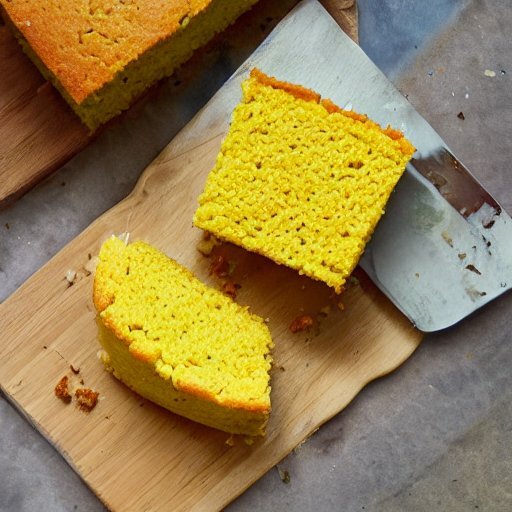

Best Vegan Cornbread

Prep Time 5 minutes
Cook Time 25 minutes
Total Time 30 minutes
Servings 12
Calories 201
Vegan cornbread is a delicious and nutritious twist on a classic Southern dish. Made without any animal products, it is an excellent option for those following a plant-based or vegan diet.

Ingredients

  • 1 1/4 cups all purpose flour
  • 1 cup yellow corn meal
  • 2/3 cup granulated sugar
  • 1 teaspoon salt
  • 1 tablespoon baking powder
  • 1 1/4 cup unsweetened almond milk
  • 1/3 cup canola oil

Instructions 

  • Preheat the oven to 400 degrees F and lightly grease a 8 x 8 pan, or a 9 inch round cake pan.
  • In a large bowl, combine the flour, cornmeal, sugar, salt and baking powder and stir.
  • Now pour in the almond milk and canola oil. Stir until well combined. Pour batter into prepared pan.
  • Bake for 20-25 minutes, until a toothpick inserted into the center comes out clean.

Notes

1- You may use white whole wheat flour or whole wheat pastry flour in place of all purpose flour if you wish. I haven't tested it with a gluten-free blend but it may work.
2- For oil-free, replace the canola oil with applesauce.
Nutrition
Serving: 1serving | Calories: 201kcal | Carbohydrates: 31g | Protein: 3g | Fat: 7g | Saturated Fat: 1g | Sodium: 229mg | Potassium: 158mg | Fiber: 2g | Sugar: 11g | Calcium: 77mg | Iron: 1mg
Calories: 201kcal
Course: Side Dish
Cuisine: American, vegan
Keyword: plant-based cornbread, Vegan Cornbread, vegan recipes


Vegan vanilla cake is a classic dessert that can be enjoyed by anyone, regardless of dietary restrictions. This cake is made without any animal products, but still manages to be tender, moist, and full of flavor.

To make vegan vanilla cake, you’ll start by whisking together flour, sugar, baking powder, and salt in a large bowl. In a separate bowl, mix together plant-based milk, vegetable oil, vanilla extract, and apple cider vinegar. This mixture will serve as your wet ingredients.

Next, add the wet ingredients to the dry ingredients and mix everything together until a smooth batter forms. Be careful not to overmix, as this can lead to a tough cake. Pour the batter into a greased cake pan and bake in a preheated oven for 30-35 minutes, or until a toothpick inserted in the center comes out clean.

Once the cake is done baking, let it cool completely before frosting. For a classic vanilla frosting, you can mix together vegan butter, powdered sugar, plant-based milk, and vanilla extract until everything is smooth and creamy. Spread the frosting over the top and sides of the cake, and decorate with fresh fruit or sprinkles if desired.

Vegan vanilla cake is a versatile dessert that can be enjoyed on its own or dressed up for special occasions. It’s perfect for birthday parties, weddings, or any other celebration. Plus, because it’s vegan, it’s a great option for those with dietary restrictions or ethical concerns about animal products.

In conclusion, vegan vanilla cake is a delicious and easy-to-make dessert that everyone can enjoy. With a few simple substitutions, you can make a cake that’s just as moist and flavorful as any traditional recipe, but without the use of animal products. Give it a try and see for yourself!


Vegan Vanilla Cake Recipe

Prep Time 20 minutes
Cook Time 35 minutes
Total Time 55 minutes
Servings 12 slices
Calories 377
Indulge in the ultimate vegan vanilla cake - fluffy and moist, it's a must-have dessert for all occasions! This recipe is all you need for a perfect vanilla cake, completly vegan!

Ingredients

  • 1 1/4 cups unsweetened non-dairy milk
  • 2 teaspoons apple cider vinegar
  • 1/2 cup aquafaba
  • 1/2 cup vegan butter (softened to room temperature)
  • 1/2 cup canola oil (or melted coconut oil)
  • 1 1/2 cups sugar
  • 1 tablespoon vanilla extract
  • 3 cups cake flour OR all purpose flour*
  • 1 tablespoon baking powder
  • 1/2 teaspoon salt
  • 1 Recipe Vanilla Vegan Frosting

Instructions 

  • Preheat the oven to 350 degrees F and prepare 2 round 8-inch cake pans by lining the bottom with parchment paper and spraying well with oil.
  • Make the Vegan Buttermilk: Combine the non-dairy milk and apple cider vinegar in a glass measuring cup or small bowl. Stir a little, then set aside.
  • Make the Aquafaba: Pour the liquid from a can of chickpeas into a small-medium bowl. Whisk well for a minute, until foamy and light. This acts similar to eggs. You can't taste it at all in the cake, don't worry! You will use 1/2 cup of this, and the liquid from 1 can is just perfect.
  • In a large bowl using an electric hand mixer (or a stand mixer with a paddle attachment), cream together the softened vegan butter, canola oil and sugar until creamy and well combined.
  • Measure out 1/2 cup of the foamy aquafaba, and add it to the bowl with the creamed butter/oil/sugar, along with the vanilla extract. Beat until well combined.
  • In a separate medium sized bowl, whisk together the flour, baking powder and salt.
  • To the main bowl with the wet mixture with the mixer on low speed, alternate adding the flour mixture and vegan buttermilk, mixing until just combined after each time. The batter should be fairly smooth (a few lumps are okay), but avoid over-mixing.
  • Pour the cake batter evenly into the prepared pans, and bake for 30-35 minutes, until the edges are golden brown, the surface looks and feels set, and a toothpick comes out mostly clean, with no wet batter.
  • Allow the cakes to cool in the pans for 15 minutes, then carefully invert them onto a cooling rack. Allow them to cool completely before frosting. You can place them in the refrigerator to speed the cooling process along if you need to.
  • Frost with my Vanilla Vegan Frosting or use the Chocolate Frosting from my Chocolate Cake Recipe. Add some sprinkles for fun, if desired. Enjoy!

Notes

Notes
1- Cake flour will make the cake much lighter with a fine crumb, but all purpose works fine if you can't find cake flour.
2- May use any kind of unsweetened non-dairy milk, such as soy, almond, cashew, coconut or rice milk.
3- Earth balance brand of vegan butter is preferred. You can use another brand, but make sure you like the flavor of it, as it may come through in the cake.
4- Aquafaba is simply the liquid from a can of chickpeas/garbanzo beans. It sounds weird, but when it's whipped up a bit it has many great uses! It works like eggs, eggwhites and can even be used to make vegan meringue! You can not taste it AT ALL.
5- You could make cupcakes with this recipe, if desired. They will need less baking time, 20-25 minutes.
6- Calorie estimate is with 1/12th of the cake with Vanilla Vegan frosting.
Nutrition
Serving: 1serving | Calories: 377kcal | Carbohydrates: 52g | Protein: 4g | Fat: 17g | Saturated Fat: 3g | Sodium: 204mg | Potassium: 135mg | Fiber: 1g | Sugar: 28g | Vitamin A: 420IU | Calcium: 80mg | Iron: 2mg
Calories: 377kcal
Course: Dessert
Cuisine: American, vegan
Keyword: vegan cake, vegan dessert, vegan recipes, vegan vanilla cake


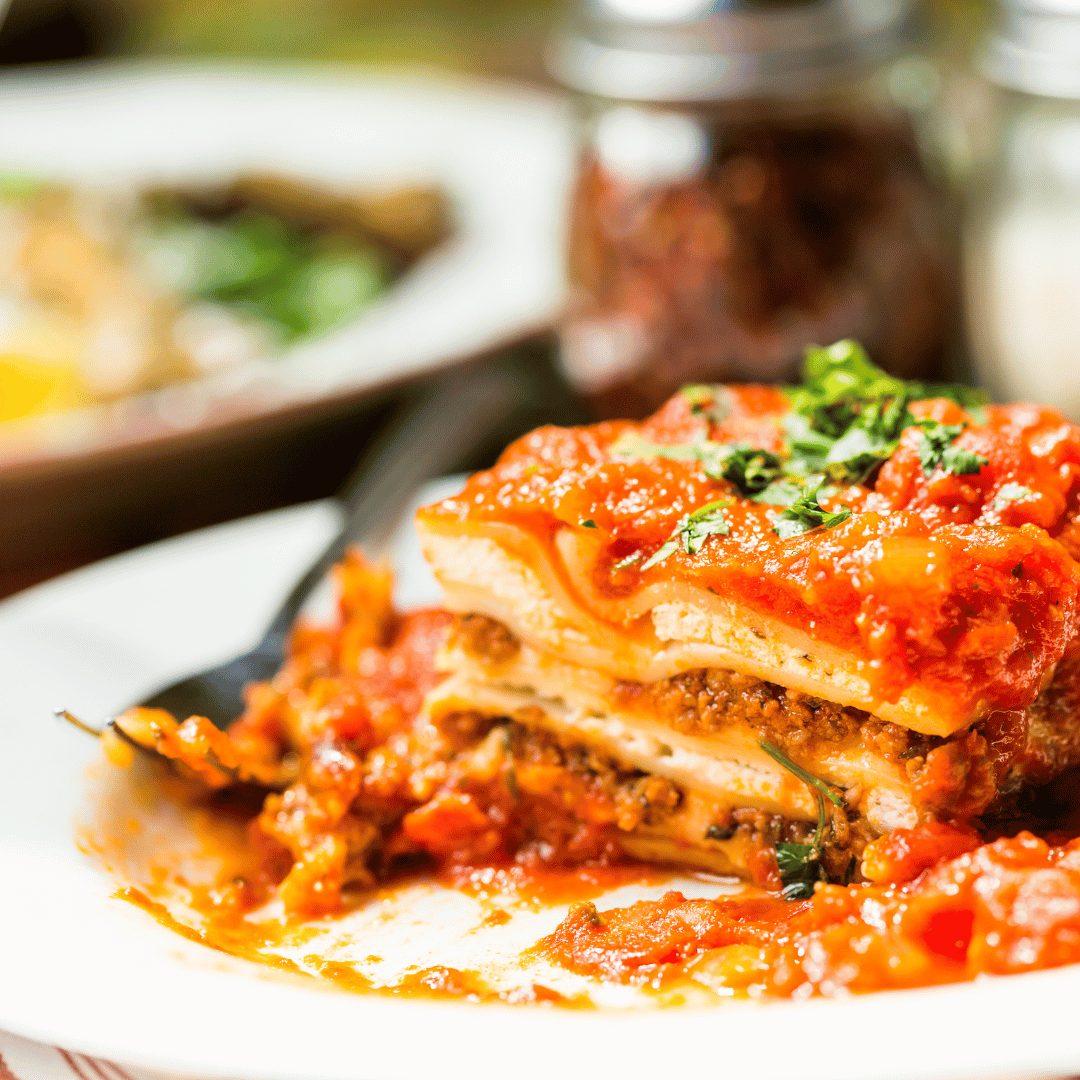
Vegan lasagna is a hearty and delicious meal that’s perfect for any occasion. This particular recipe features a red lentil marinara sauce, tofu-cashew ricotta, and spinach, all layered between tender lasagna noodles. The result is a rich, flavorful dish that’s sure to please everyone at the table, whether they’re vegan or not.

To make the red lentil marinara sauce, start by sautéing onion and garlic in a large pot until they’re soft and fragrant. Add in red lentils, canned tomatoes, and vegetable broth, and bring everything to a simmer. Let the sauce cook for about 20 minutes, or until the lentils are tender and the sauce has thickened up.

While the sauce is cooking, you can prepare the tofu-cashew ricotta. Simply blend together tofu, cashews, lemon juice, nutritional yeast, and garlic until everything is smooth and creamy. Stir in some chopped spinach for added nutrition and flavor.

To assemble the lasagna, start by spreading a layer of the red lentil marinara sauce on the bottom of a baking dish. Top that with a layer of lasagna noodles, followed by a layer of the tofu-cashew ricotta. Repeat these layers until all of the ingredients are used up, making sure to end with a layer of sauce on top.

Bake the lasagna in a preheated oven for about 30 minutes, or until everything is hot and bubbly. Let the lasagna cool for a few minutes before slicing it into portions and serving.

This vegan lasagna is a perfect example of how plant-based ingredients can come together to create a delicious and satisfying meal. The red lentil marinara sauce provides a hearty base that’s full of protein and fiber, while the tofu-cashew ricotta adds a creamy and cheesy texture that’s reminiscent of traditional lasagna. The spinach adds some much-needed vitamins and minerals, as well as a fresh and vibrant flavor. Overall, this vegan lasagna is a winner that everyone can enjoy.


The Best Vegan Lasagna Recipe

Prep Time 25 minutes
Cook Time 1 hour
Total Time 1 hour 25 minutes
Servings 8
Calories 497
This vegan lasagna is a perfect example of how plant-based ingredients can come together to create a delicious and satisfying meal. This particular recipe features a red lentil marinara sauce, tofu-cashew ricotta, and spinach, all layered between tender lasagna noodles.

Ingredients

  • 1 cup dried red lentils
  • 2 25-ounce jars marinara sauce
  • 1 cup raw cashews
  • 16 ounce firm tofu (patted dry with paper towels)
  • 1/2 cup nutritional yeast
  • 3 tablespoons fresh lemon juice (from about 2 lemons)
  • 1 teaspoon salt
  • 1 teaspoon dried basil
  • 1 teaspoon oregano
  • 1/2 teaspoon garlic powder
  • 2-3 cups baby spinach
  • 1 box lasagna noodles (whole grain or gluten free if needed)
  • Double recipe Easy Vegan Mozzarella Cheese

Instructions 

  • First, cook your red lentils. Add 1 cup dried red lentils and 3 cups of water to a medium pot. Bring to a boil, and then simmer for about 20 minutes. Drain the lentils in a fine strainer, and then add to a large bowl. Add both jars of marinara to the bowl with the lentils and mix to combine. Set aside.
  • Preheat the oven to 350 degrees.
  • Make the Cashew-Tofu Ricotta: Add the cashews to a food processor and process until fine and crumbly. Then add the tofu in chunks, nutritional yeast, lemon juice, salt, basil, oregano and garlic powder to the food processor. Pulse until well combined and pretty smooth.
  • Assembling the lasagna: Add about 1 cup of marinara sauce (with the cooked lentils) to the bottom of a large 9 x 13 inch casserole dish or lasagna pan. Spread it around evenly. Next add 4-5 lasagna noodles (uncooked). Spread half of the Cashew-Tofu Ricotta on top of the noodles. Top with half of the spinach. Add about 1 cup of the marinara sauce over the spinach, then place 4-5 lasagna noodles on top. Spread the rest of the Ricotta over the noodles, then the rest of the spinach. Place 4-5 more noodles on top of the spinach, and then pour the rest of the sauce over the top, evenly.
  • Cover tightly with foil. Bake for 1 hour. Let cool at least 15 minutes before cutting and serving. (see below if using optional mozzarella topping)
  • While the lasagna is cooking, make your Vegan Mozzarella Cheese, if using.
  • If using the mozzarella topping, simply remove the lasagna after 40 minutes of cooking in the oven. Spoon on the mozzarella, and pop it back in the oven for another 20 minutes. Remove, let cool for at least 15 minutes and serve.

Notes

Nutrition
Serving: 1serving | Calories: 497kcal | Carbohydrates: 75g | Protein: 25g | Fat: 12g | Saturated Fat: 2g | Sodium: 700mg | Potassium: 1149mg | Fiber: 14g | Sugar: 11g | Vitamin A: 1479IU | Vitamin C: 18mg | Calcium: 139mg | Iron: 7mg
Author: VeganLifeTips
Calories: 497kcal
Course: Main Course
Cuisine: Italian, vegan
Keyword: vegan lasagna, vegan recipes


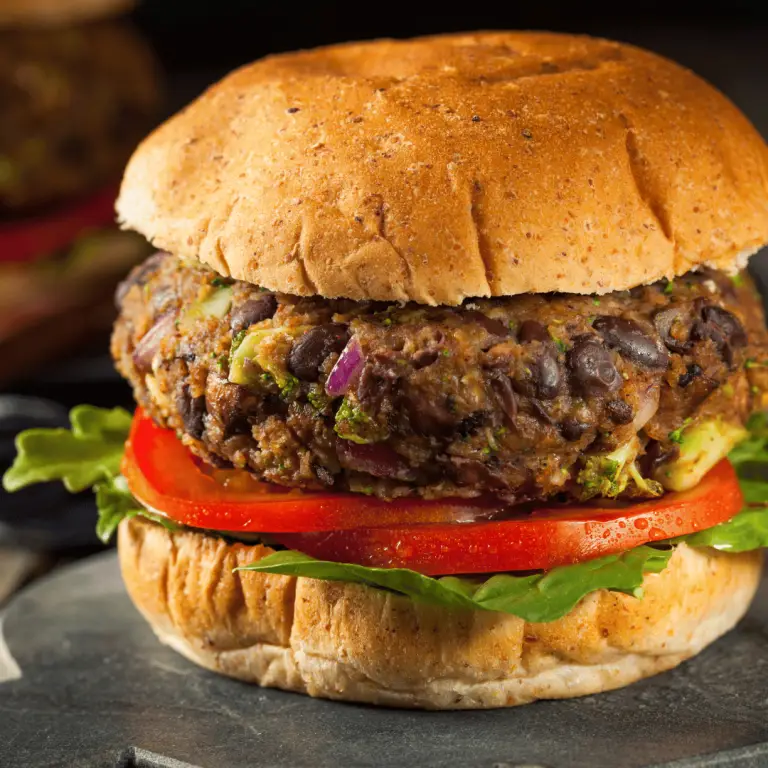
Vegan Black Bean Burger is a plant-based alternative to traditional meat burgers, made using black beans as the main ingredient. The black beans are mixed with a variety of herbs, spices, and other ingredients to create a delicious and healthy patty that can be enjoyed by vegans and non-vegans alike.

One of the main benefits of a Vegan Black Bean Burger is that it is packed full of nutrients. Black beans are an excellent source of protein, fiber, iron, and other essential vitamins and minerals, making them an ideal choice for anyone looking to increase their intake of plant-based protein. This makes them a great alternative to meat burgers, which can be high in saturated fat and cholesterol.


In addition to their nutritional benefits, Vegan Black Bean Burgers are also incredibly versatile. They can be cooked in a variety of ways, including grilling, baking, or pan-frying, and can be served on a variety of different buns or breads, from whole wheat buns to gluten-free options. They can also be topped with a variety of different toppings, such as avocado, salsa, or vegan cheese, making them a great option for anyone looking to experiment with different flavor combinations.

Another advantage of a Vegan Black Bean Burger is that they are incredibly easy to make at home. There are many different recipes available online, and most require just a few simple ingredients that can be found at any grocery store. This means that even if you are not a skilled cook, you can still enjoy a delicious and healthy plant-based burger in the comfort of your own home.

Overall, a Vegan Black Bean Burger is a delicious and healthy alternative to traditional meat burgers. They are packed full of nutrients, easy to make at home, and incredibly versatile, making them a great option for anyone looking to incorporate more plant-based protein into their diet.


Vegan Black Bean Burger Recipe

Prep Time 20 minutes
Cook Time 10 minutes
Total Time 30 minutes
Servings 4
Calories 434
Vegan Black Bean Burger is a delicious and healthy alternative to traditional meat burgers. They are packed full of nutrients, easy to make at home, and incredibly versatile.

Ingredients

  • 1 cup Walnuts (100g)
  • 1 Medium Onion White (Yellow or Brown, Chopped)
  • 1 teaspoon Crushed Garlic
  • 1 Tablespoon Olive Oil
  • 15 ounce Can Black Beans (1 can drained very well)
  • ½ teaspoon Smoked Paprika
  • ½ teaspoon Coriander Powder
  • ½ teaspoon Cumin
  • ½ teaspoon Onion Powder
  • ½ teaspoon Garlic Powder
  • 2 Tablespoons Tomato Paste
  • ½ teaspoon Salt
  • ¼ teaspoon Ground Black Pepper
  • ½ cup All Purpose Flour (63g)
  • 2 Tablespoons Olive Oil for Frying
  • 2 Tablespoons Vegan Barbecue Sauce for Basting

For Serving (Optional):

  • Hamburger Buns
  • Lettuce
  • Pickles
  • Sliced Tomato
  • Guacamole
  • Sliced Red Onion

Instructions 

  • Add the walnuts to a food processor and process until crumbly. Transfer to a mixing bowl and set aside.
  • Add the chopped onion, crushed garlic and olive oil to a frying pan and sauté until the onions are softened.
  • Add the cooked onions and garlic to a food processor along with the black beans, smoked paprika, coriander powder, cumin, onion powder, garlic powder, tomato paste, salt and black pepper. Process until smooth. Then transfer to the mixing bowl with the crushed walnuts.
  • Add the flour to the mixing bowl and mix in. If the mix still seems very wet when you touch it, then add in a little more flour. The first time I made these I didn't need extra flour but the second time I needed an extra 2 Tablespoons as I hadn't drained my black beans as well as I had the first time.
  • Flour a baking tray and then divide the batter into four equal sections. Add more flour if needed to the outside of the patties for easier handling and then form them into burger patties. You can do this by rolling into a ball and then flattening by placing a square of parchment paper over the top and pressing down with the base of a glass. Or you can form into burger patties by patting them down into a round cutter to make a flat burger patty shape.
  • When all your burger patties are formed on the baking tray place the baking tray into the freezer for 30 minutes so the burgers can firm up.
  • Add the 2 tablespoons olive oil to a frying pan and heat until hot. Add in all four burgers if your pan is big enough, otherwise do them in two batches. Fry for 5 minutes on one side and then flip. Brush the tops and sides of the burgers with some vegan barbecue sauce. Fry for 5 minutes on the other side and then remove from the pan.
  • Serve on hamburger buns with lettuce, pickles, sliced tomato, guacamole and sliced red onion.

Notes

1- This recipe uses 1 full 15 ounce (425g) can of black beans, drained and rinsed. If you want to use cooked black beans (not canned) then the amount to use would be 1 and ½ cups.
2- You'll need extra flour to flour a baking tray and form the burgers into patties. You may also need to add more to the mix itself, this will depend on how well you have drained the black beans, ideally the black beans should be very well drained and not 'wet' at all when they go into the food processor. But if your mix is too wet add a couple more tablespoons of flour.
3- These burgers are nice and firm on the outside, but soft on the inside. If you want them to be firmer all through, you could divide the burger mix into 6 burgers instead of 4. That way they will be thinner and will be crispier all through when fried.
4- Nutrition information is for a burger patty only, excluding any of the things you would serve it with.
5- Prep time does not include the 30 minutes spent chilling in the freezer.
Nutrition :
Serving: 1Burger | Calories: 434kcal | Carbohydrates: 39.4g | Protein: 11.2g | Fat: 27.1g | Saturated Fat: 3g | Sodium: 623mg | Fiber: 9.4g | Sugar: 6g
Author: VeganLifeTips
Calories: 434kcal
Course: Main Course
Cuisine: American, vegan
Keyword: meatless burger, plant-based burger, Vegan Black Bean Burger, vegan burger, vegan recipes


Vegan Coconut Chickpea Curry is a delicious and nutritious plant-based meal that is packed with flavor and spice. This curry is a perfect combination of creamy coconut milk and protein-rich chickpeas, making it a filling and satisfying meal. The dish is also loaded with vegetables such as bell peppers, onions, and spinach, which makes it a wholesome and balanced meal.

To make this recipe, start by sautéing onions and bell peppers in coconut oil until they are tender. Then, add garlic, ginger, and curry powder to the pan and cook until fragrant. Next, add chickpeas and coconut milk to the pan, and let it simmer for a few minutes until the chickpeas are heated through. Finally, add spinach and let it cook for a minute until wilted.

This dish is incredibly versatile and can be served with rice, quinoa, or any other grain of your choice. It is also perfect as a side dish or a main course, depending on your appetite. The creamy coconut milk and the spices in the curry make it a warming and comforting meal, perfect for cold winter nights.

One of the best things about this recipe is that it is incredibly healthy. Chickpeas are a great source of plant-based protein and are also rich in fiber, which helps to keep you feeling full for longer. The vegetables in the curry are also loaded with vitamins and minerals, making this a nourishing meal for your body.

In addition to being healthy and delicious, Vegan Coconut Chickpea Curry is also very easy to make. With just a few simple ingredients and a little bit of time, you can have a flavorful and wholesome meal on your table in no time.

In conclusion, Vegan Coconut Chickpea Curry is a perfect dish for anyone who is looking for a healthy and tasty meal. It is versatile, easy to make, and packed with flavor and nutrients. So, next time you are looking for a new vegan recipe to try, give this one a go!


Vegan Coconut Chickpea Curry

Prep Time 15 minutes
Cook Time 30 minutes
Total Time 45 minutes
Servings 4
Calories 225
Vegan Coconut Chickpea Curry is a delicious and nutritious plant-based meal that is packed with flavor and spice. This curry is a perfect combination of creamy coconut milk and protein-rich chickpeas, making it a filling and satisfying meal. The dish is also loaded with vegetables such as bell peppers, onions, and spinach, which makes it a wholesome and balanced meal.

Ingredients

  • 2 tablespoons coconut oil
  • 1 medium red onion or yellow onion (diced)
  • 14 ounces fresh or canned tomatoes (diced (400g))
  • sea salt & ground black pepper (to taste)
  • 16 ounces canned chickpeas (drained & rinsed (454g))
  • 3 garlic cloves (minced)
  • 1 ½ tablespoons garam masala – I use this one
  • 1 teaspoon curry powder I use this one
  • ¼ teaspoon cumin
  • 13.5 ounces canned coconut milk* ((383g))
  • 2 teaspoons coconut flour (OPTIONAL**)
  • 1 small lime (juice of)

Instructions 

  • In a deep pot over medium-high heat, add the coconut oil.
  • Add in the onions and tomatoes. Grind some sea salt and ground black pepper over the mixture and stir together. Lower heat to medium and allow to cook down until juices of the tomatoes are naturally released and onions are soft, about 10 minutes.
  • Add in the chickpeas, garlic, garam masala, curry powder and cumin. Stir to combine.
  • Add in the coconut milk and stir again. Add in the coconut flour which helps to slightly thicken the curry. Bring the curry to a boil, and then reduce to medium-low so that the mixture continues to simmer for 10 to 12 more minutes.
  • Taste the curry and season with salt and pepper if you desire. Remove the curry from the heat and squeeze a lime lightly over the top of the curry, stirring to combine. Don’t skip this step!! Allow to cool slightly and then serve. Enjoy!

Notes

This recipe is vegan and gluten-free.
I’ve been asked this MANY times – this is the curry powder I use! It’s my favourite!
*Many readers have asked and yes you can definitely use reduced-fat coconut milk! You can even use boxed coconut milk if those calories suit you better.
** The coconut flour is optional and up to you! You can also use any other gluten-free flour you have on hand to thicken it, I just loved this flavour the most. You also don’t need to thicken it if you don’t want to, we skip it all the time.
WW POINTS: 6 with reduced fat coconut milk, 12 with regular (natural occurring sugar from tomatoes)
HOW TO STORE:You can store this curry in an air-tight tupperware container in the fridge for up a week. It’s an excellent candidate for freezing and can be stored in the freezer for up to a month.
A FEW NOTES:
1. This curry lasts for at least 5 days in the fridge as leftovers.
2. You can serve with whole wheat naan bread, basmati rice, or even crispy tortilla chips.
3. I substituted a can of chickpeas in the recipe for ease, but if you want you can buy dried chickpeas, soaked overnight, and then boiled until soft in replacement.
4. If you don’t have coconut flour, you can use regular flour if you’re not gluten-free.
TO ADD HEAT:
1. Crushed red pepper flakes: I would start with 1/4 teaspoon in the beginning so that that gets heated up with everything else. Taste and you can always add another 1/4 teaspoon.
2. Harissa paste: if you have a harissa or chili paste, you can stir a little in before the simmer part so that it can heat up with everything. Even sriracha can work.
3. Lastly, and my favourite, scotch bonnet pepper sauce which adds flavours and lots of heat. A few drops right before simmer again, and you can taste and decide whether you want to add more.
Nutrition Info :
Calories: 225kcal, Carbohydrates: 28.5g, Protein: 7.3g, Fat: 9.4g, Sodium: 184.8mg, Sugar: 8.1g
Author: Ayman
Calories: 225kcal
Course: Dinner
Cuisine: Indian, vegan
Keyword: Chickpea curry, Vegan Chickpea Curry, Vegan Coconut Chickpea Curry, vegan recipes


Vegan Mushroom Stroganoff is a delicious and comforting meal that is perfect for a cozy night in. This recipe is an excellent alternative for anyone who is looking to enjoy a classic dish without meat or dairy. To make Vegan Mushroom Stroganoff, start by sautéing onions and garlic in a large skillet until they are soft and fragrant. Next, add sliced mushrooms and cook until they are tender and juicy. For added flavor, you can use a variety of mushrooms such as shiitake, cremini, or button mushrooms.

To create the creamy sauce, whisk together vegetable broth, soy sauce, and flour in a separate bowl until smooth. Then add the sauce to the skillet with the mushrooms and onions, and simmer until the sauce thickens and coats the mushrooms. This sauce is what gives the stroganoff its rich and creamy texture, without the use of heavy cream or sour cream.

Once the sauce has thickened, stir in vegan sour cream and fresh herbs for added flavor and creaminess. Popular herbs to use include parsley, thyme, or dill. This gives the stroganoff a burst of fresh flavor, which perfectly balances the rich and savory sauce.

To serve, you can choose to pair the stroganoff with a variety of noodles or rice. Egg noodles are a popular choice for stroganoff, but you can use any type of pasta that you prefer. Alternatively, you can serve it over a bed of fluffy rice, which is a great option for a gluten-free meal.

In conclusion, Vegan Mushroom Stroganoff is a comforting and delicious meal that is easy to make and perfect for a cozy night in. This recipe is a great way to enjoy a classic dish in a plant-based way, without sacrificing flavor or texture. With its rich and creamy sauce, tender mushrooms, and fresh herbs, it’s sure to become a new favorite in your recipe rotation.


Creamy Vegan Mushroom Stroganoff

Prep Time 20 minutes
Cook Time 50 minutes
Total Time 1 hour 10 minutes
Servings 6
Calories 525
Creamy Vegan Mushroom Stroganoff is a plant-based twist on the classic comfort food dish. Made with tender mushrooms, a creamy vegan sauce, and fresh herbs, this dish is both satisfying and delicious.

Ingredients

  • 3 to 4 tablespoons olive oil* (divided)
  • 2 large leeks or 3 small-medium leeks
  • 20 ounces of mixed mushrooms (~560g (see “Ingredient Rundown” section for which variety I used))
  • 6 garlic cloves (minced)
  • 1 tablespoon fresh thyme leaves (roughly chopped, or 1 teaspoon dried thyme)
  • Kosher salt
  • 1 1/2 cups vegetable broth
  • 2 tablespoons tamari or soy sauce
  • 1 tablespoon vegan Worcestershire sauce (optional)
  • ¼ cup ~30g all-purpose flour**
  • ½ cup ~120 ml dry white wine, such as Pinot Grigio or Sauvignon Blanc
  • 1 13.5 ounce (400 ml) can of full-fat coconut milk
  • 2 tablespoons tahini
  • 2 tablespoons nutritional yeast
  • 1 teaspoon paprika
  • ½ teaspoon Dijon mustard or coarse-grain mustard
  • 12 ounces 340g pasta of choice
  • ¼ cup fresh dill (chopped)
  • Freshly cracked black pepper to taste

Instructions 

  • Prep the mushrooms. Wipe off any dirt patches with a paper towel or clean kitchen towel. Depending on the variety, slice them or tear them with your hands (oyster and maitake are much easier to tear than slice).
  • Prep the leeks. Slice off the dark green tops and discard or save for making vegetable broth. Cut each leek in half vertically and then slice horizontally, but not too thinly, as they’ll cook down with the mushrooms for quite a while.
  • NOTE: Leeks are very dirty, so you need to wash them at this stage. Submerge chopped leeks in a bowl of cold water, run your hands through the bowl to loosen the dirt, and then scoop the leeks out using your hands or a slotted spoon. Pat dry the washed leeks.
  • Heat a large sauté pan with deep sides (or a Dutch oven) over medium-high heat and add 1 1/2 to 2 tablespoons of olive oil. Once the oil is shimmering, add HALF of the leeks and mushrooms. Cook for 8 to 10 minutes until mushrooms are nicely browned, stirring occasionally but not too frequently.
  • Reduce the heat to medium and add HALF of the garlic, HALF of the thyme, and 1/4 teaspoon kosher salt. Cook for 2-4 minutes, or until the mushrooms are browned and crispy. When done cooking, transfer this batch to a plate or bowl.
  • Repeat the process with the remaining oil, mushrooms, leeks, garlic, thyme, and salt.
  • While the mushrooms are cooking, make the “vegetable broth roux.” In a medium bowl, whisk together the vegetable broth, tamari, Worcestershire sauce (if using), and flour in. Whisk until until no clumps remain.
  • Pour the white wine into the pan with the cooked mushrooms, and use a wooden spoon or flat-ended spatula to deglaze the pan by scraping up any brown bits on the bottom of the pan. Reduce the heat as needed to simmer for 3 minutes, or until the smell of alcohol has dissipated and the wine has mostly evaporated.
  • Pour the vegetable broth roux into the pan and whisk to combine, ensuring there are no clumps. Bring to a simmer, then pour in the coconut milk, tahini, nutritional yeast, ½ teaspoon kosher salt, and paprika. Bring to a simmer over medium-low heat. Cook for 10 minutes, until the sauce is thickened and very creamy.
  • Meanwhile, cook the pasta. Bring a large saucepan of salted water to a boil. Cook the pasta according to the package instructions until al dente. Drain and keep warm.
  • Stir the Dijon mustard into the stroganoff sauce and stir. Add the hot cooked pasta and chopped dill (or parsley), and toss to coat.
  • Divide the pasta among plates or bowls, and top each with a handful of the first batch of crispy mushrooms and extra dill (or parsley) to garnish.

Notes

1- If using a Dutch oven or ceramic pan (as opposed to a nonstick pan), you’ll need to use a bit more oil.
2- For instructions on how to make this recipe gluten-free, see the section above “how to make this recipe gluten-free.”
Nutrition Info :
Calories: 525kcal | Carbohydrates: 60g | Protein: 16g | Fat: 25g | Saturated Fat: 14g | Polyunsaturated Fat: 3g | Monounsaturated Fat: 7g | Sodium: 560mg | Potassium: 748mg | Fiber: 5g | Sugar: 5g | Vitamin C: 12mg | Calcium: 67mg | Iron: 5mg
Calories: 525kcal
Course: Dinner, Lunch
Cuisine: russian, vegan
Keyword: Vegan Mushroom Stroganoff, vegan recipes


Vegan Lentil Shepherd’s Pie is a healthy, flavorful, and hearty dish that is perfect for anyone looking for a delicious and nutritious plant-based meal. This classic recipe is traditionally made with ground meat, but by substituting lentils, it becomes a vegan and vegetarian-friendly version that is just as satisfying.

The lentils in this recipe are a great source of protein and fiber, making it a filling and satisfying meal. Lentils are also low in fat and high in nutrients, making them a healthy alternative to meat. Additionally, they are very versatile and can be used in many different recipes, making them an excellent addition to any vegan diet.

To make Vegan Lentil Shepherd’s Pie, start by cooking lentils until they are tender. Then, sauté some onions, carrots, and celery until they are soft and translucent. Add garlic, tomato paste, and herbs like thyme and rosemary, and cook for a few more minutes to allow the flavors to meld together. Finally, add in the cooked lentils and some vegetable broth to make a flavorful filling.

The topping for this vegan shepherd’s pie is made from mashed potatoes, which are a great source of complex carbohydrates and fiber. Simply boil some potatoes until they are soft, mash them with some plant-based milk, and season with salt and pepper to taste. Spread the mashed potatoes over the top of the lentil filling and bake in the oven until golden brown.

Vegan Lentil Shepherd’s Pie is a delicious and satisfying meal that is perfect for any occasion. Whether you are looking for a hearty dinner to serve to your family or want to impress your guests with a delicious and healthy vegan dish, this recipe is sure to please. It’s also a great way to use up leftover vegetables and lentils, making it a budget-friendly option for anyone on a tight budget.

In conclusion, Vegan Lentil Shepherd’s Pie is a healthy, flavorful, and easy-to-make recipe that is perfect for anyone looking to incorporate more plant-based meals into their diet. It’s a great way to enjoy the classic flavors of shepherd’s pie while still sticking to a vegan or vegetarian lifestyle. So, give this recipe a try and see for yourself just how delicious and satisfying a plant-based meal can be!

Vegan Lentil Shepherd’s Pie Recipe

Prep Time 15 minutes
Cook Time 1 hour 30 minutes
Total Time 1 hour 45 minutes
Servings 8
Vegan Lentil Shepherd’s Pie is a delicious and nutritious plant-based version of the classic shepherd’s pie. Made with lentils, vegetables, and a flavorful vegan gravy, this dish is hearty, filling, and perfect for a comforting meal. Topped with creamy mashed potatoes and baked until golden brown, it’s easy to make and can be customized to suit your taste preferences.

Ingredients

Lentil Filling

  • 1 tablespoon olive oil
  • 3 large yellow onions (diced)
  • 8 cloves garlic minced (use less if you’re not a huge fan of garlic)
  • 1 tablespoon fresh thyme leaves (roughly chopped)
  • 3 tablespoons tomato paste
  • 1/2 cup 120 mL dry red wine (such as Pinot Noir or Malbec)*
  • 1 1/2 cups 10 ounces / 285g green lentils (or brown lentils)
  • 3 3/4 cups 900 mL vegetable broth
  • 2 bay leaves
  • 1 1/2 teaspoons sweet or hot paprika
  • 1/4 cup 56g smooth tahini**
  • 1 tablespoon tamari (or soy sauce***)
  • 1 tablespoon good-quality balsamic vinegar
  • 2 teaspoons vegan Worcestershire sauce (optional****)
  • Plenty of kosher salt or sea salt (I used 1 1/2 – 2 teaspoons kosher salt)
  • Freshly cracked black pepper to taste

Mashed Potato Topping

  • 20 ounces 680g Russet potatoes
  • 16 ounces 454g cauliflower, cut into large florets
  • 1 1/2 teaspoons kosher salt (plus more to taste)
  • 1 rosemary sprig (optional)
  • 4 tablespoons vegan butter (softened at room temperature (or olive oil))
  • 1/2 cup 120 mL “lite” coconut milk*****
  • 1 tablespoon nutritional yeast
  • Freshly cracked black pepper to taste

Optional finishes and garnishes

  • Extra virgin oil for baking and finishing
  • Flaky sea salt and black pepper
  • Fresh thyme leaves
  • Chopped flat-leaf parsley

Instructions 

  • Make the Lentil Filling. Heat the olive oil in an ovenproof 12-inch skillet over medium to medium-high heat until hot. If you don’t have an ovenproof skillet, you’ll need to transfer the cooked lentil filling to a baking dish when it’s time to bake.
  • Add the onions with a couple pinches of salt and sauté for 8-10 minutes, or until most of the onions are browned. Stir occasionally to prevent burning, but not too often so that they can brown. Add the garlic, thyme and rosemary and cook for 2 minutes, stirring frequently to prevent burning.
  • Push the onions to the edges of the pan so there’s an empty space in the middle of the pan. Add the tomato paste into the empty space and stir for 2-3 minutes, or until it darkens in color. Reduce the heat to medium, as needed.
  • Pour in the red wine and deglaze the pan, stirring up any browned bits, until the liquid has mostly evaporated and the smell of alcohol has dissipated, about 3-4 minutes.
  • Add the vegetable broth, along with the lentils, bay leaves, and paprika. Stir to combine and increase the heat to bring to a boil. Once boiling, reduce heat to maintain a rapid simmer, and simmer until the lentils are just tender and most of the liquid has been absorbed, 25-30 minutes.
  • Turn the heat to low. Add the tahini, tamari, balsamic vinegar, and vegan Worcestershire sauce (if using). Stir until well incorporated. Taste for seasonings, adding a generous amount of salt (I used about 1 teaspoon kosher salt) and black pepper. Set aside.
  • Make the Mashed Potato Topping. Peel the Russet potatoes and then rinse them under cold water. Chop the potatoes into eighths.
  • Place the potatoes and cauliflower florets in a large saucepan or Dutch oven and add just enough water to cover. Add 1 1/2 teaspoons kosher salt and stir to combine. Place the rosemary sprig on top. Bring to a boil and cook until both potatoes and cauliflower are fork-tender and are very soft when poked, about 15 minutes.
  • Thoroughly drain the potatoes and cauliflower in a colander and discard the rosemary sprig. For the potatoes, pat them dry with paper towels or a clean dish towel. For the cauliflower, you’ll need to squeeze out the excess water or it’ll be very watery.

NOTE: See the “tips” section in the post for details on how to squeeze out the excess water.

  • Return the vegetables to the saucepan or transfer them to a large bowl. Add in the softened vegan butter, lite coconut milk, nutritional yeast, along with salt and black pepper to taste. You can mash everything together using a handheld potato masher, but I use an immersion blender. Taste for seasonings, adding more salt as needed (I used about 1 teaspoon kosher salt).
  • Assemble the Shepherd’s Pie. Preheat the oven to 375°F/190°C. If your skillet is ovenproof and has enough space, leave the Lentil Filling in there. If not, transfer it to a large (3 quart/3 liter) baking dish. Smooth the Lentil Filling out. Then, spoon and carefully spread out the Mashed Potato Topping on top, covering the whole surface. For more flavor, drizzle the top with extra virgin olive oil and some extra pinches of salt, pepper, and fresh thyme leaves.
  • Bake for 20 minutes, or until the lentil filling starts to bubble up. Remove from the oven and turn on your oven’s broiler. Place the pan under the broiler for a few minutes until the crust is golden brown. To finish, drizzle with more olive oil and garnish with fresh parsley, if desired.

Note: if you want the pie to solidify more, allow it to rest for at least 20 minutes in the pan.

  • Store any leftovers in an airtight container in the fridge for up to 4 days.

Notes

1- If you do not consume alcohol, just skip this step and start deglazing the pan with the vegetable broth instead of wine.
2- The tahini brands I regularly use are Soom Tahini, Seed + Mill, and the Whole Foods 365 brand. If you typically refrigerate your tahini, try to bring it to room temperature, as it’ll be easier to stir into the lentils.
3- To keep this dish soy-free, omit the tamari and just add a bit more salt to taste.
4- Vegan worcestershire sauce brands: Annie’s Homegrown, Whole Foods 365, Sprouts, Simple Truth, O Organics.
5- If allergic to coconut, use full-fat unsweetened oat milk.
Tip: If using golden potatoes instead of Russets, do NOT use an immersion blender – the potatoes will get gummy. Use a potato masher or ricer instead.
Nutrition Info :
Calories: 360kcal | Carbohydrates: 49g | Protein: 15g | Fat: 12g | Saturated Fat: 2g | Polyunsaturated Fat: 4g | Monounsaturated Fat: 5g | Trans Fat: 1g | Sodium: 1432mg | Potassium: 1040mg | Fiber: 15g | Sugar: 7g | Vitamin C: 41mg | Calcium: 79mg | Iron: 5mg
Author: VeganLifeTips
Course: Dinner
Cuisine: English, vegan
Keyword: dinner recipes, vegan dinner, Vegan Lentil Shepherd’s Pie, vegan recipes

It’s always a good idea to stick to the vegan diet because it’s high in nutrients and has the potential to lower your risk of certain health conditions. However, it is important to note that vegan food items contain non-heme iron which though healthier than heme iron found in animal-based sources is absorbed in small quantities.

And even though research shows that both vegans and non-vegans face the same risk of iron deficiency, as a health-conscious person it’s always wise to be one step ahead of the pack by adding plant-based iron-rich food sources to your diet.

Here’s a look at some good plant-based iron-rich foods.

  1. Swiss Chard

Swiss Chard is, no doubt, one of the richest vegan sources of iron. One cup of this green leafy veggie contains about 4 milligrams of the mineral representing roughly about 25 percent of the daily value for women. What’s more, Swiss chard is packed with Vitamin C which is well-known for boosting the rate at which non-heme iron is absorbed into your body.

  1. Beans

Want to bump up your iron intake? Beans like kidney beans, lima beans, and soybeans can do the trick. A single cup of kidney beans for instance contains as much as 5.2 milligrams of iron which is enough to contribute to almost 60 percent of the daily recommended levels for adults. Lima beans and soybeans contain 4.5 milligrams of the mineral each making them fantastic non-animal sources of iron too.


  1. Spinach

Often ranked among the most nutritious foods on the planet, spinach clocks in at roughly 6.4 milligrams of iron per cup. As such it trumps most other vegetables in this regard and yet still contains Vitamin C along with other vitamins that significantly improve the rate at which this crucial mineral is absorbed in the body. And the best part? Spinach is low in calories making it an easy-to-use, leafy green source of iron.

  1. Tofu/Tempeh

Tofu and tempeh are both made from soybeans. And as you can imagine, they share quite a few similarities in their nutrition profiles. For instance, they are good sources of protein, vitamins, and a variety of minerals, iron included. Tofu is particularly rich in iron. Half a cup of it is all it takes to amass a whopping 6.6 milligrams of this vital mineral. Its sibling tempeh boasts 4.5 milligrams of iron per cup.


  1. Lentils

Loaded with 6.6 milligrams of iron per cup, lentils are a nutrient powerhouse. In other words, these tiny legumes contain more iron than equivalent quantities of kidney beans and spinach! Yup, you read that right. What’s more, lentils are packed with several B vitamins and minerals including manganese, phosphorous, and potassium. To top it all up, lentils are rich in antioxidants including saponins, tannins, and flavonoids – all of which can help protect your body from the impact of free radicals and toxins.

  1. Pumpkin Seeds

Protein-rich, mineral-dense, and fiber-rich are just but a few of the adjectives that can be used to describe the nutritional value of pumpkin seeds. With one cup of these asymmetrically oval seeds containing 9.52 milligrams of iron, it’s easy to see why pumpkin seeds are ranked highly as a vegan-friendly source of iron. And the best part? Pumpkin seeds are easy to eat as they make a great snack.


Conclusion

Much as vegans face the same risk of iron deficiency as non-vegetarians, you could be falling short of your recommended daily intake if you fail to take the right food items. Foods like pumpkin seeds, lentils, and spinach are just but a few of the highly sought-after plant-based iron-rich foods. Other than increasing your intake of such food items, it’s also advisable to increase your Vitamin C intake to help boost iron absorption.

Welcome to this vegan blueberry banana muffin recipe! If you’re a fan of muffins but looking for a plant-based version, then this recipe is for you. Made with ripe bananas and fresh blueberries, these delicious vegan blueberry banana muffins are moist, flavorful, and full of fruit. They make for a tasty breakfast or snack option that is perfect for any time of day.

These vegan blueberry banana muffins are also incredibly easy to make. All you need is a few simple ingredients and minimal prep work. The recipe is straightforward to follow and yields delicious results every time. Whether you’re an experienced baker or a beginner, you’ll have no trouble whipping up a batch of these vegan blueberry banana muffins.

In addition to being delicious, these vegan blueberry banana muffins are also packed with nutrients. The bananas provide a good source of potassium, while the blueberries are rich in antioxidants. Together, they make for a healthy and satisfying treat that you can feel good about eating.

So don’t wait any longer and give this vegan blueberry banana muffin recipe a try. You’ll love the combination of flavors and the ease of making these tasty muffins. Whether you’re enjoying them for breakfast, as a snack, or as a dessert, these vegan blueberry banana muffins are sure to become a new favorite.

Vegan Blueberry Banana Muffins Recipe

Prep Time 5 minutes
Cook Time 25 minutes
Total Time 30 minutes
Servings 12 Muffins
Calories 152
Satisfy your sweet tooth with these delicious vegan blueberry banana muffins. Made with ripe bananas and fresh blueberries, these muffins are moist, flavorful, and full of fruit. This easy recipe requires just a few simple ingredients and minimal prep work, making it perfect for bakers of all levels. Enjoy these vegan blueberry banana muffins for breakfast, as a snack, or as a dessert and feel good about indulging in a nutritious and tasty treat.

Ingredients

  • 1 ½ cups of mashed ripe bananas (about 3 medium bananas)
  • ¼ cup of granulated sugar
  • cup of canola or vegetable oil (plus more for greasing)
  • 1 teaspoon of baking powder
  • 1 teaspoon of baking soda
  • ½ teaspoon of salt
  • 1 ½ cups of whole wheat or all-purpose flour
  • 1 cup of fresh or frozen blueberries

Instructions 

  • Preheat the oven to 375 degrees, and lightly grease a muffin tin.
  • Place the mashed bananas in a large bowl.
  • Add the sugar, oil, baking powder, baking soda, salt, and flour, and gently mix together until well combined.
  • Fold the blueberries into the batter.
  • Spoon the batter into the muffin tin, filling each cup to the top.
  • Bake for 25 minutes or until the muffins are golden brown.

Notes

  • Citrus: Add the zest of an orange or lemon for a wonderful extra fragrance to the vegan blueberry muffins. Orange or lemon blueberry banana muffins are actually one of our faves!
  • Orange/ Lemon glaze: For a sweeter treat, feel free to add a simple orange or lemon glaze to the vegan blueberry banana muffins.
  • Sugar crust: Use a sprinkling of coarse sugar (demerara or turbinado) over the blueberry and banana muffins before baking.
  • Coconut: Add 2-3 tablespoon of unsweetened coconut flakes for texture and subtle flavor.
  • Vegan chocolate: Use your favorite dairy-free chocolate chips or chunks. Use sugar-free vegan chocolate, if preferred. I recommend adding around ¼ cup for a light sprinkling of plant-based chocolate or ⅓ cup for slightly more.
  • Nuts: Add a ¼-⅓ cup of chopped walnuts, pecans, pistachios, or almonds.
  • Zucchini: Use around ¼-⅓ cup of shredded and well-drained (squeeze by-hand or through a nut milk bag) zucchini to hide extra nutrients for healthy blueberry banana muffins.
  • Cinnamon: Cinnamon blueberry muffins taste surprisingly delicious. Add a large pinch.
  • Flax meal: Add 1-2 tablespoon of ground flax meal for extra fiber and nutrients to these eggless banana blueberry muffins.
  • Bananafree: You could experiment with using unsweetened applesauce instead.

NUTRITION

Calories: 152kcal / Carbohydrates: 22g / Protein: 2g / Fat: 6g / Saturated Fat: 1g / Polyunsaturated Fat: 2g / Monounsaturated Fat: 4g / Trans Fat: 1g / Sodium: 224mg / Potassium: 94mg / Fiber: 1g / Sugar: 8g / Vitamin A: 19IU / Vitamin C: 3mg / Calcium: 24mg / Iron: 1mg
Author: VeganLifeTips.com
Calories: 152kcal
Course: Breakfast
Cuisine: American, vegan
Keyword: vegan blueberry banana muffins, vegan muffins, vegan recipes


Switching to a vegan diet is one of the best decisions you can ever make in life. It can be a good way to stay lean and can significantly lower your chances of contracting chronic ailments. On the flip side, though, going vegan often means sacrificing one of the most important macronutrients in the human diet, protein. Naturally, plant-based sources of protein tend to be lower in protein than their animal-based counterparts meaning relying on them without tracking how much protein you’re getting from them per day might not be a good idea.

Luckily, Mother Nature has provided many excellent high-protein vegan food sources. And the best part? We’ll be breaking them down for you so you can easily identify and if necessary, incorporate them into your diet.

  1. Buckwheat (Kuttu)

Known for being low in calories and high in fiber, buckwheat is a fantastic vegan source of protein. Each 100-gram serving of this grain contains 5 grams of protein. Even though it’s not necessarily a rich source of the macronutrient, its protein content is of exceptional quality making it a must-have for healthy muscle development.

  1. Quinoa

One thing that stands out about quinoa is that it contains all the nine essential amino acids needed for healthy living. And the best part? This gluten-free grain provides you with 8 grams of protein per cup. It’s also an excellent source of magnesium, iron, and phosphorus.

  1. Lentils (Boiled)

Packed up with a whopping 18 grams of protein per cup (roughly 8.8 grams of protein per 100 grams), lentils stand out as a dependable source of plant-based proteins. The edible legume is also a rich source of prebiotic fiber which as you might be aware is quite good at promoting healthy digestion.

  1. Chickpeas and Green Peas (Boiled)

Just like quinoa, chickpeas and green peas contain all the nine essential amino acids making them a complete protein. As such, the peas make a good replacement for meat in many vegan dishes thanks to their 8-9 grams per 100 grams protein content. And the best part? Both types of peas are moderately low in calories providing roughly 270 calories per cup – 30% of which comes from protein.

  1. Tofu

With about 8 grams of protein per 100 grams serving, tofu provides you with the boost you need to meet your daily protein intake goals. This versatile soybean curd is highly digestible making it almost as effective as animal protein. To top it all up, tofu is a rich source of isoflavones which have been scientifically proven to reduce inflammation and promote healthy heart function.

  1. Peanut Butter

Peanut butter is a classic when it comes to protein-rich vegan dietary choices. And as yummy as this ground peanut paste is, it contains a staggering 24 grams of protein per 100-gram serving. The only catch is that not all peanut butter products out there are fully vegan.

Some contain animal-based ingredients such as honey and omega-3 fatty acids. Although most peanut butter types are free of animal products, it’s advisable to check the ingredient label prior to adding one to your diet.

  1. Soybean

We saved the best for last! Soybean is head and shoulders above most legumes especially when protein quality is taken into account. The mineral-rich bean boasts an incredible 16 grams of protein per 100 grams making it a highly dependable source of non-animal protein. Add that to the fact that soybeans contain all the nine essential amino acids for the human diet and you have a vegan-friendly food item that’s difficult to replace.

Final Word

And there you have it! Our complete list of the 7 best vegan protein sources. Each one of them is nutrient-dense, yummy, and above all relatively affordable.

So, don’t listen to the naysayers. Go ahead and grab yourself a bowlful of your favorite plant-based high-protein food items and see yourself meeting or even exceeding your daily recommended intake while still staying true to your vegan lifestyle.